

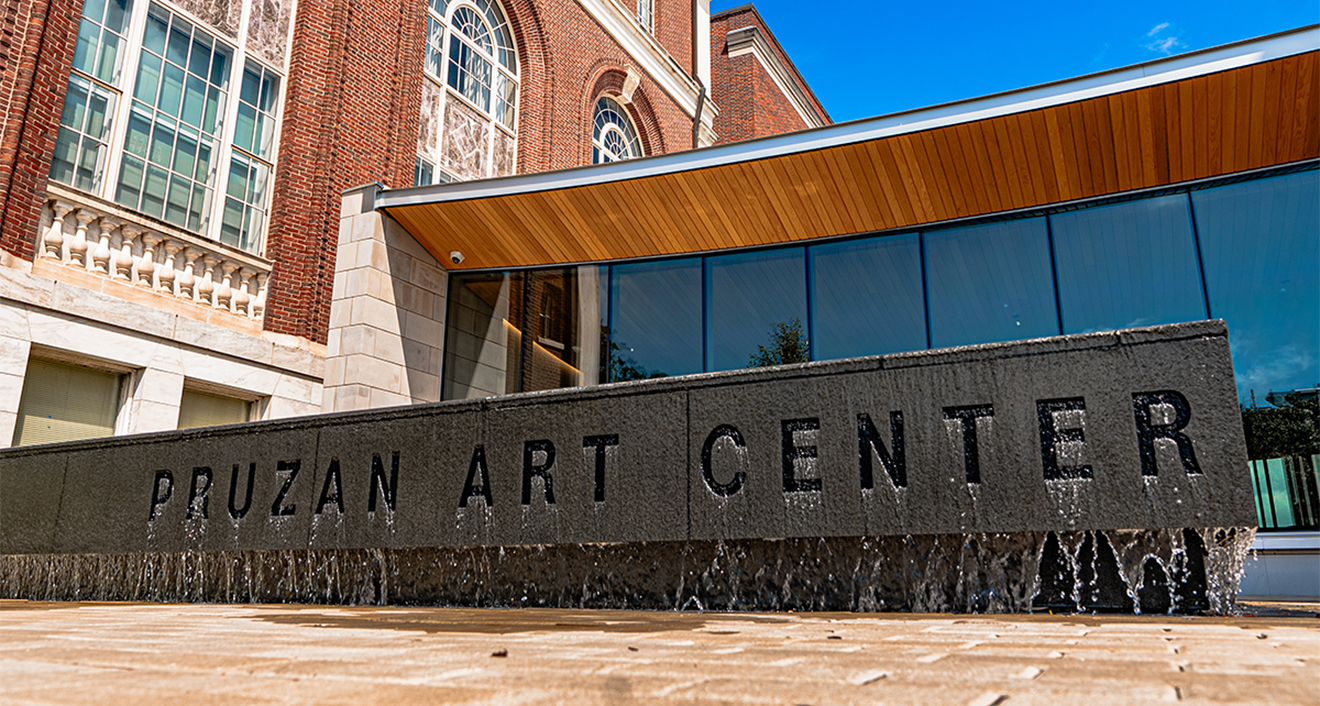
Discovering the Unseen at the Pruzan Art Center
This spring, the Pruzan Art Center will feature two exhibitions in the Goldrach Gallery that reveal the unseen, from looking inside private rooms to glimpsing behind the curtain of the artistic process. The exhibitions, Looking Inward: The Interior as Subject and Not / Finished: Working Proofs and Cancellation Prints, are curated by Miya Tokumitsu, Donald T. Fallati and Ruth E. Pachman Curator of the Davison Art Collection.
Tokumitsu said both exhibitions emphasize the value of taking time for individual reflection.
In Looking Inward: The Interior as Subject, the themes and potentialities of interiors emerge as invitations to look inside and within in prints and photographs by Édouard Manet, Sylvia Plimack Mangold, Carrie Mae Weems, Joel Meyerowitz, Giovanni Battista Piranesi, and work by other artists from the Davison Art Collection. Peter Ilsted’s captivating print, The Red Room (1915), communicates the tranquility of being alone, absorbed in a task within a quiet, comfortable space.
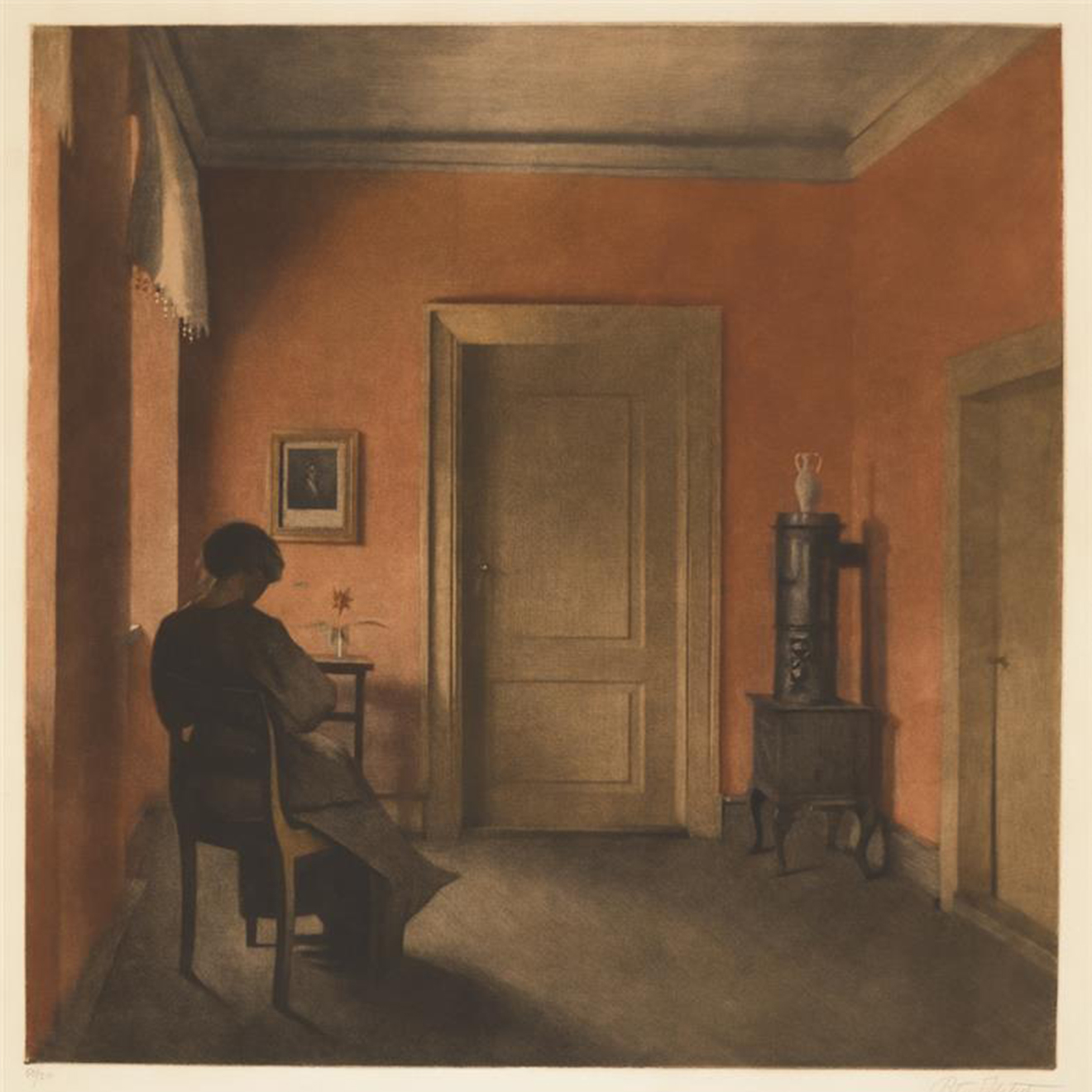
Peter Ilsted, "The Red Room," 1915. Mezzotint printed in colors. Davison Art Collection, Wesleyan University. Magdalena Wagner Fund, 2023.1.1 (Photo: J. Giammatteo)
Tokumitsu noted that depictions of interiors are frequently taken as externalizations of a person’s psychic state or personal taste, saying she strove to convey how varied the experiences of privacy and interiority can be: from uninhibited and silly moments, to sharing intimate musings, to frightening and uncomfortable thoughts and feelings. “An inability to look outward can stifle, emotionally and intellectually,” Tokumitsu says. “Being comfortable with another person’s privacy can be a real form of connection, which is anathema to the tenuous social bonds fostered by social media oversharing.”
The exhibition Not / Finished: Working Proofs and Cancellation Prints features prints that are not finished in the conventional sense—experimental proofs in which artists were trying to gauge the progress of their work; or cancellation prints whose printing matrices (the master image surface used to produce multiple prints) the artist deliberately defaced. Tokumitsu says that the cancellation or destruction of a printing matrix is a relatively modern practice, which limits the size of a print’s edition and prevents unsanctioned printings. The exhibition includes prints by Jean-François Millet, James McNeill Whistler, Glenn Ligon ’82, Hon.’12, and others.
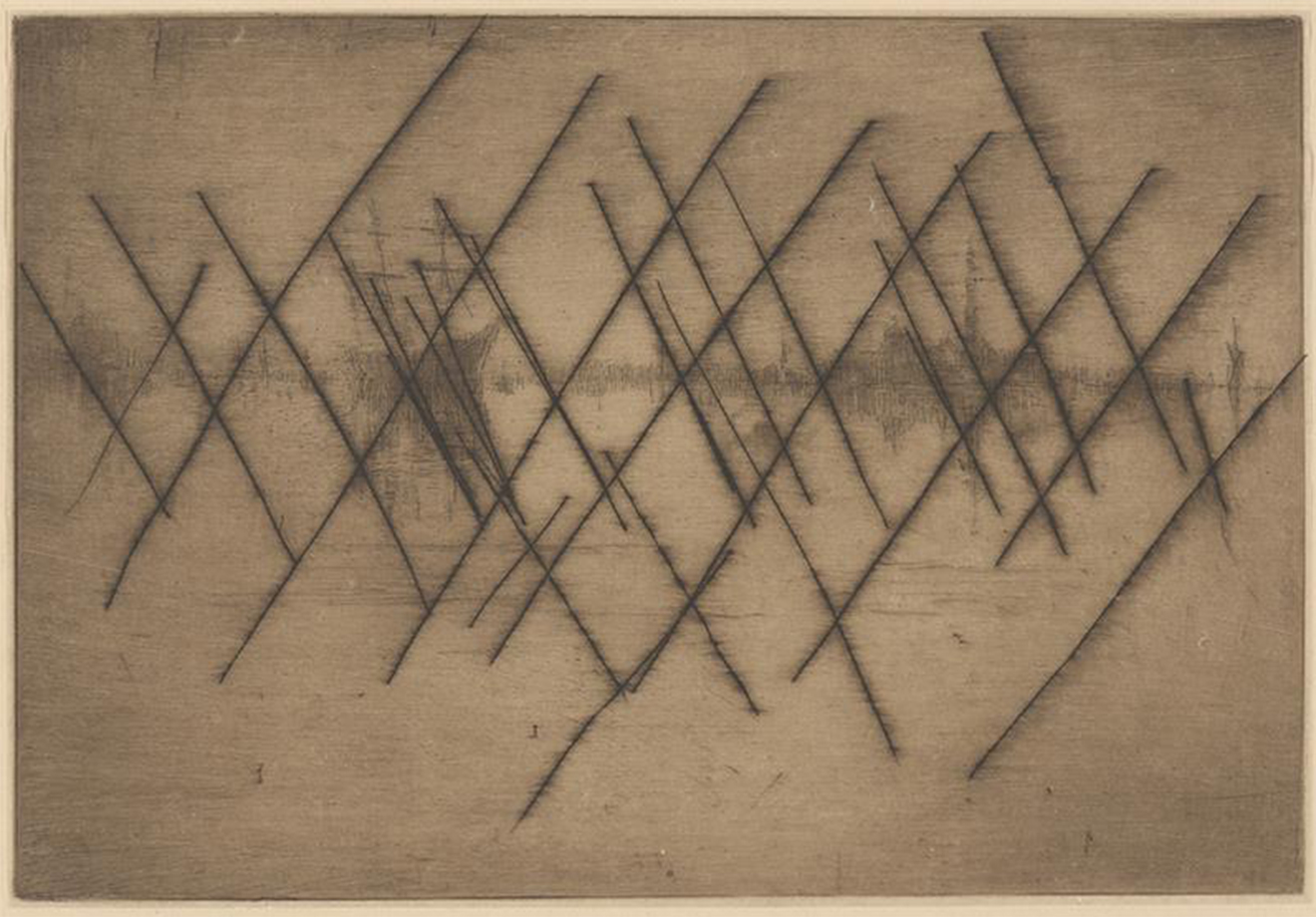
Tokumitsu points out that startling working proofs and curious cancellation prints are valued by collectors and museums as historic records that can offer insight into an artist's complete process and relationship to their work. Many have come to be appreciated aesthetically and are displayed just like “finished” works. “Being able to see working proofs helps audiences understand the iterative nature of art making,” Tokumitsu says. “Inspiration is important, but trial and error is how most art comes into being. Also, some proofs really make clear how many marks—how much work—it can take to make even a small print.”
The Davison Art Collection holds more than 25,000 works of art on paper, including prints, photographs, drawings, and works in other media. A particular strength, the print collection is one of the foremost at a college or university in the United States. The collection supports teaching and learning and was established at Wesleyan University with the founding gifts of George Willets Davison, class of 1892.
An opening reception for the two exhibitions will be held on Wednesday, Feb. 11 at 12 p.m., and the exhibitions will be on display through Saturday, May 23.
Learn more about the Davison Art Collection at wesleyan.edu/dac.