
Ukrainian Scientists Share Experiences from War
Four scholars from Science at Risk, an organization aimed at supporting Ukrainian scientists faced with the consequences of war, discussed the challenges the war in Ukraine has created for scientists in the country at a panel in the Fries Center for Global Studies on Feb. 5. The panel focused on the vulnerabilities of scientific practice, the suppression of academic freedom, and how the limitations Ukrainian scientists face can serve as a warning sign to the broader scientific community.
Nearly 73 percent of scientists in Ukraine have experienced disruptions to their work from the war in Ukraine, according to a UA Science Reload survey cited by moderator Kyrylo Beskorovainyi during the panel. Beskorovainyi was joined in conversation by Science at Risk Co-Founder Yulia Bezvershenko; Associate Professor at Taras Shevchenko National University of Kyiv Svitlana Andrushchenko; and Oleksii Boldyriev, experimental biologist at the Kyiv Aviation Institute. The panel was co-sponsored by Russian, Eastern European, and Eurasian Studies, the Bailey College of the Environment, and the Activating Library Spaces Initiative.
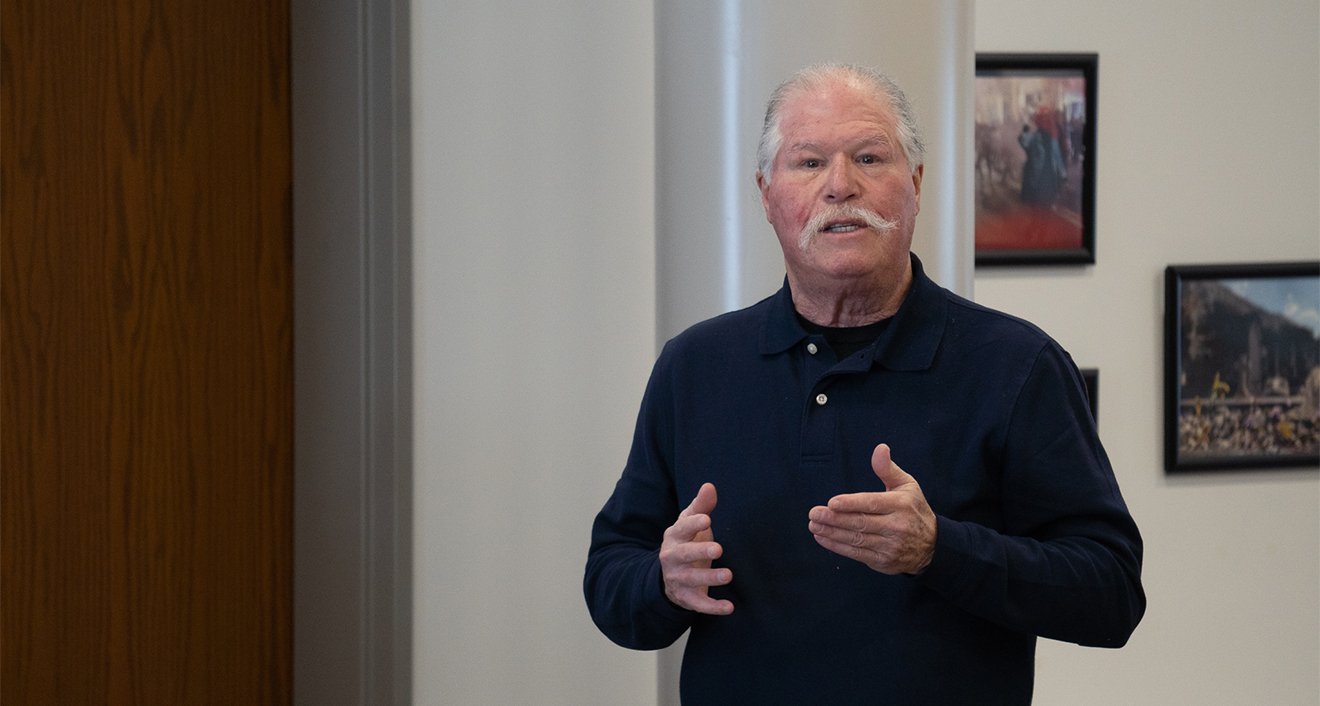
“[Science] is a risky enterprise,” said Director of the Bailey College of the Environment Barry Chernoff during an introductory address ahead of the panel. “Science stands on the brink, as it always has in different places around the world, because it cannot be political. It can't be forced to produce particular outcomes.”
Throughout the discussion, Chernoff and the panelists explained the larger infrastructure needed to do scientific research successfully. Research requires funding and patience by institutions of higher education and funding agencies, said Chernoff. It also takes a political climate that does not restrict what questions scientists are allowed to investigate, he said. Notably, many scholars in the United States have seen their research funding cut in the last year by the federal government, often because their research does not directly align with the government’s goals.
In addition to the infrastructure required for science, in Ukraine there are also basic conditions, like electricity, that need to be functioning for scientists to conduct their research. Experiments can take months or years to complete and interruptions in electricity can have grave consequences for the validity of the data available to study. Recently residents in parts of Ukraine, like Kyiv where most of the panelists work, have been dealing with rolling blackouts for weeks after Russian drone strikes damaged energy systems.
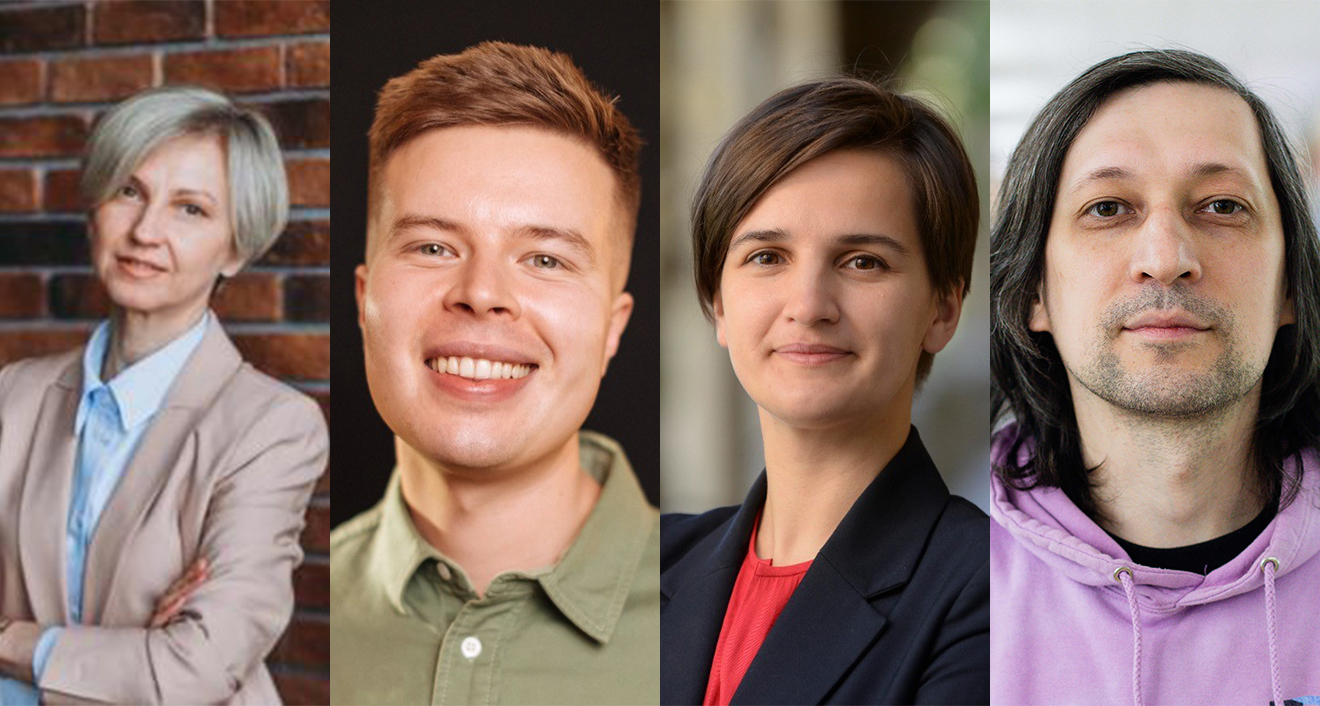
“What we've learned about the levels of vulnerability of science, of course, is multidimensional,” said Bezvershenko, a policy expert working to strengthen Ukraine’s science and innovation ecosystems. “There are physical, and during the war, environmental, tragedies. It's about physical risks to infrastructure, to people, to everything. But also then, it can be a story about the readiness of the system, about the protocols, about looking into the smallest risks and evaluating what we can do with this.”
Bezvershenko said the situation in Ukraine can serve as a case study for other nations to better prepare to support scientists in times of large-scale disruptions like war or climate disaster. She said Ukraine was not prepared for a full-scale war in 2022 and its protocols to support scientists were outdated. At an individual level, she encouraged scientists to further diversify their funding sources and create international partnerships with other researchers to improve widespread access to collected data.
“Science during war can no longer afford to be slow, fragmented, or isolated,” said Andrushchenko, a political scientist who studies geopolitics, security, and energy issues. “Research surely needs to be in different spheres, and it should be fast, comprehensive in scope, deeply multidisciplinary, and embedded in international partnerships.”
Alongside their work to connect Ukrainian scientists and build infrastructure, Science at Risk has also been working to tell the stories of researchers affected by the war. A version of a recent exhibition they created highlighting the work of scientists repressed during the war, Freedom in the Equation, is on display in Exley Science Library.
It was organized in cooperation with the Shevchenko Scientific Society (NYC), a scholarly organization founded in Ukraine in 1873 that, after being dissolved by the Soviet authorities in 1939, has continued its work in exile, supporting Ukrainian scientific research, in locations including United States, Australia, Canada, France, Poland, and Slovakia.