
A New Home for Science at Wesleyan
Wesleyan University has named its new science building the Casper Life Sciences Building in honor of Marc Casper ’90, P’23 and Alison Casper P’23.
The building brings Wesleyan’s biology, chemistry, and molecular biology and biochemistry departments together under one roof, creating new opportunities for faculty and students to work in a state-of-the-art facility. As a Carnegie-designated research university, Wesleyan offers its undergraduate—30% of which are science majors—and graduate students hands-on experimentation and opportunities to collaborate closely with faculty, modes of exploration that will be energized by the new science building. Its flexible spaces and advanced scientific instrumentation will support new approaches to teaching and research while encouraging the exchange of ideas across fields.
“The Casper Life Sciences Building is a testament to Wesleyan’s values and mission,” said Martha Gilmore, dean of the Natural Sciences and Mathematics. “Wesleyan is unusual in that it supports research at the highest level within the close-knit environment of a liberal arts university. Here, science is foundational to a liberal arts education, and this new building creates an environment in which faculty and students can pursue ambitious questions together.”
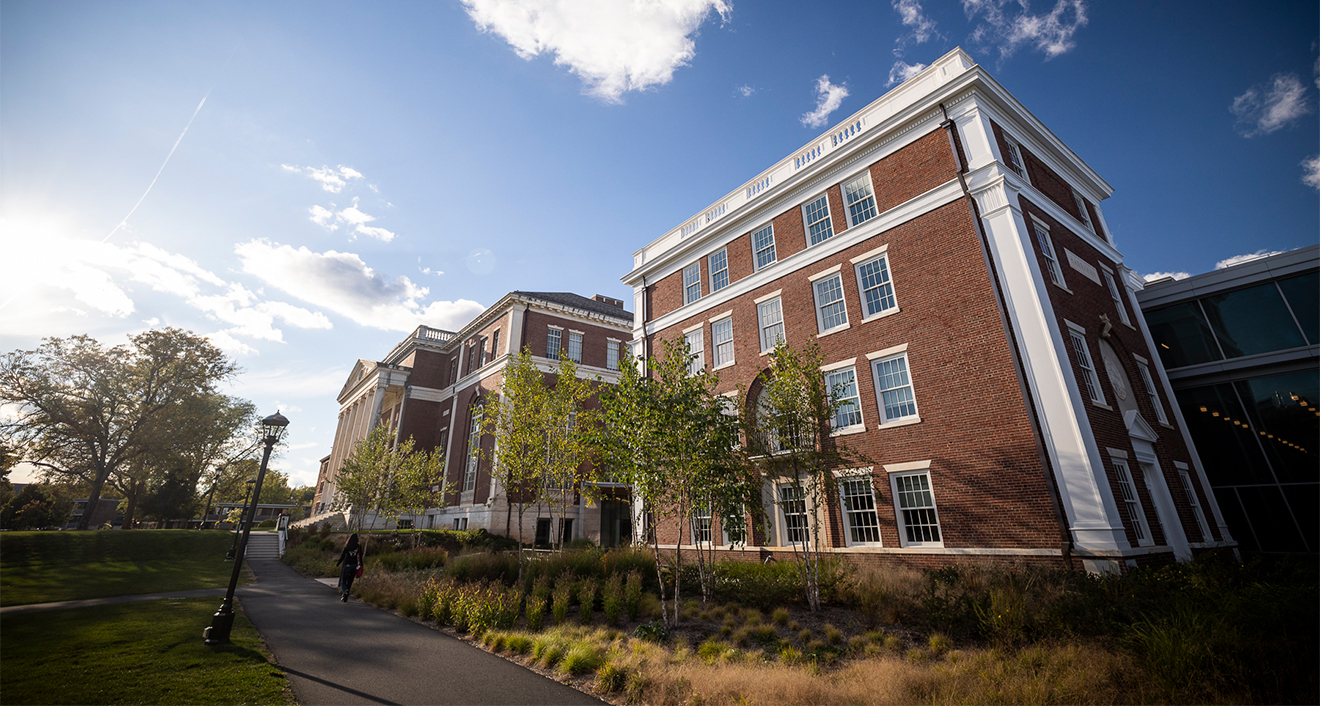
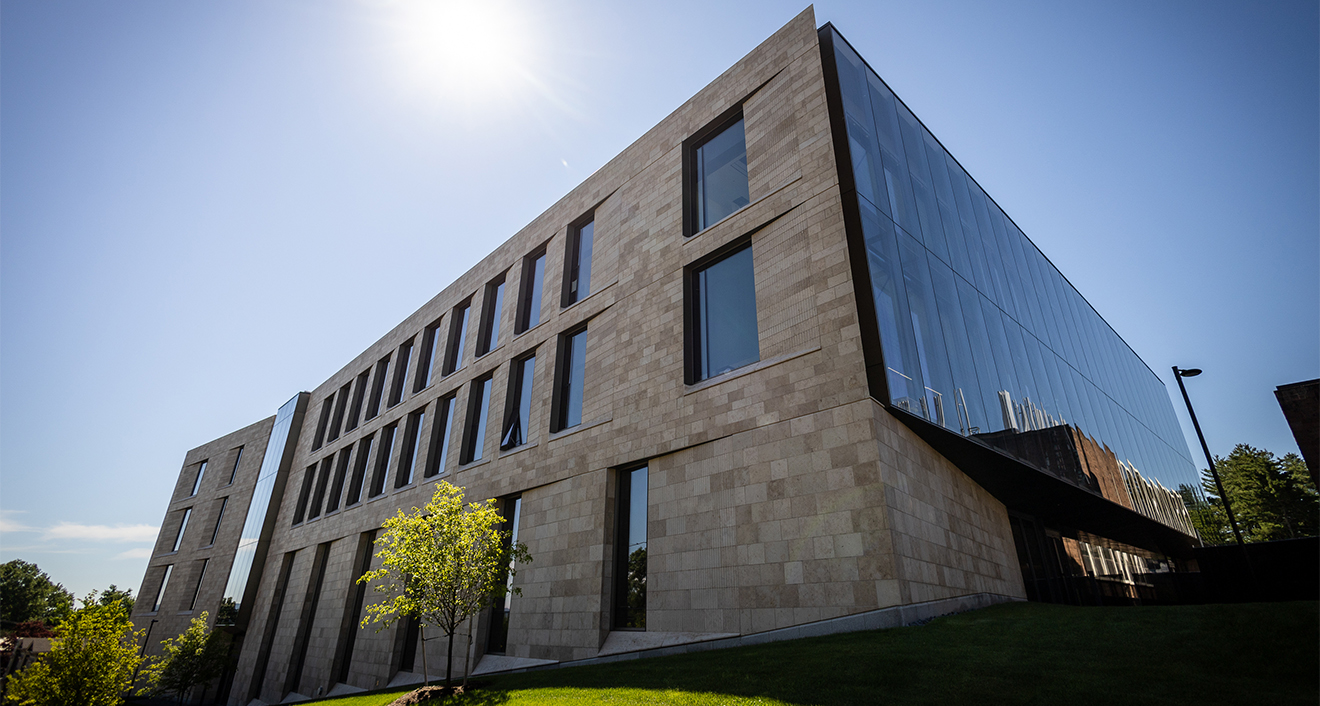
Designed to cultivate collaboration, dynamic research, inclusive teaching programs, and sustainable energy use, the building will transform how Wesleyan faculty, students, and researchers explore the natural world. Located on the southeast corner of campus between Church Street and Lawn Avenue, the building houses 39 research and support labs, nine teaching labs, seven classrooms, a vivarium, a greenhouse, faculty and department offices, conference spaces, and a café. In alignment with Wesleyan’s carbon neutrality goals, the Casper Life Sciences Building is LEED Gold certified.
“Wesleyan’s new science building is a generational investment in the University’s capacity for scientific discovery and in the bold, rigorous education we provide our students,” said President Michael S. Roth ’78. “Naming this space in honor of Marc and Alison Casper and their family recognizes their deep commitment to Wesleyan, liberal learning, and the scientific endeavor.”
Casper Life Sciences Building
-
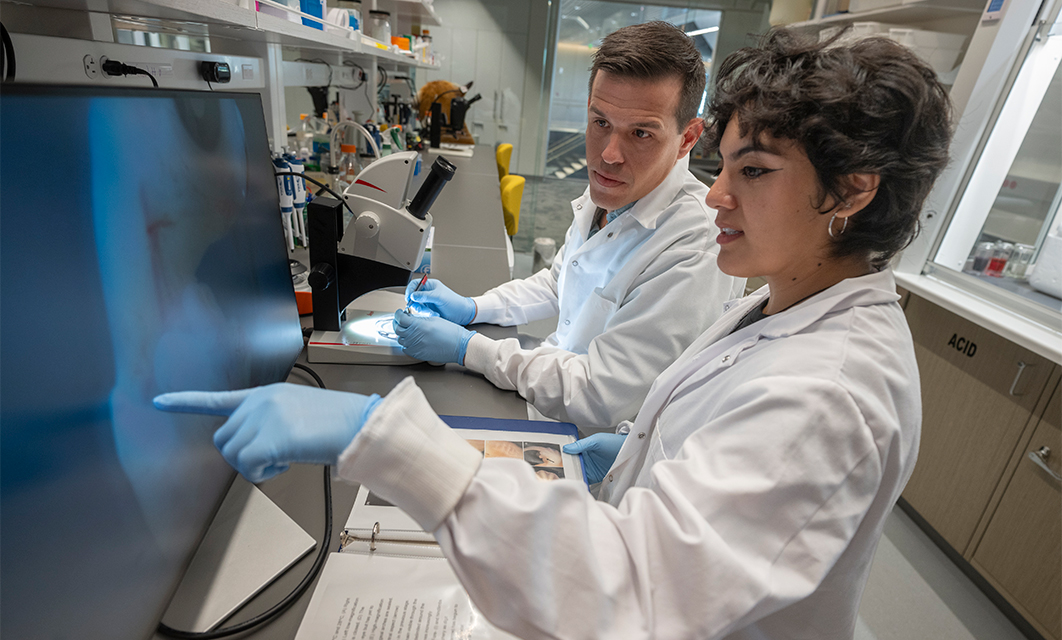
Professor Boris Tezak and Ph.D. student Valeria Morales Ciriaco sharing observations about a Red-eared Slider (Trachemys scripta elegans) embryo under a microscope in the Tezak Lab.
-
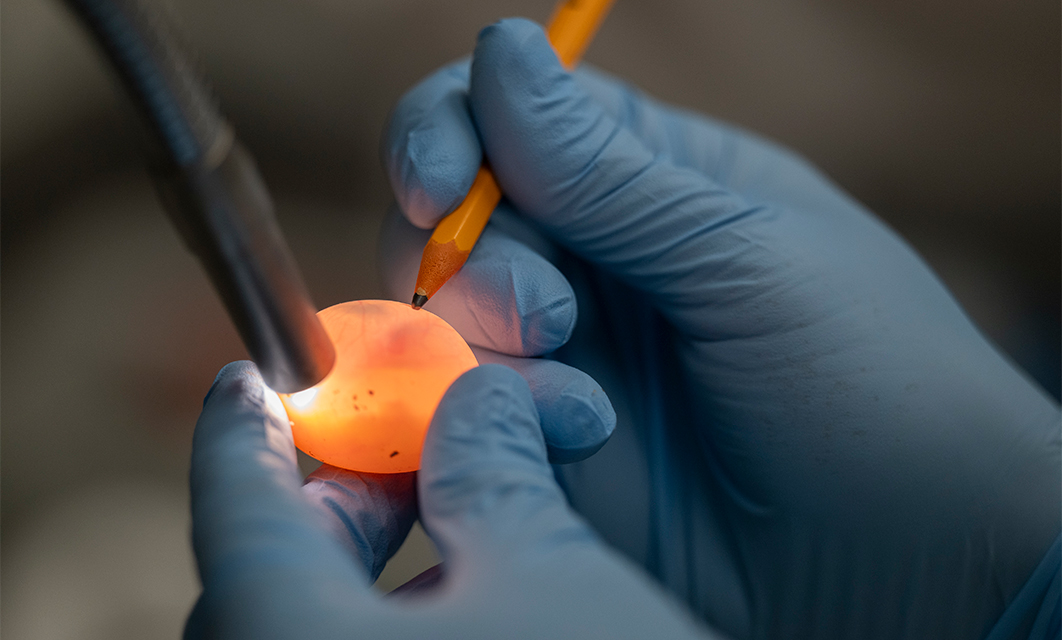
A Red-eared Slider (Trachemys scripta elegans) egg marked under light in the Tezak Lab.
-
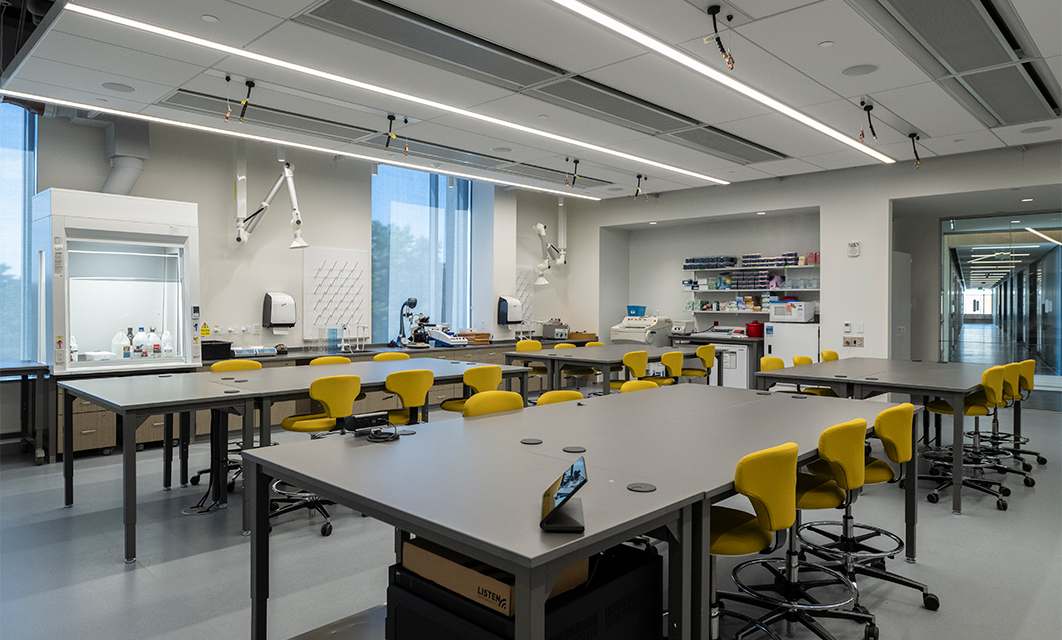
One of nine teaching labs located in the Casper Life Sciences Building.
-
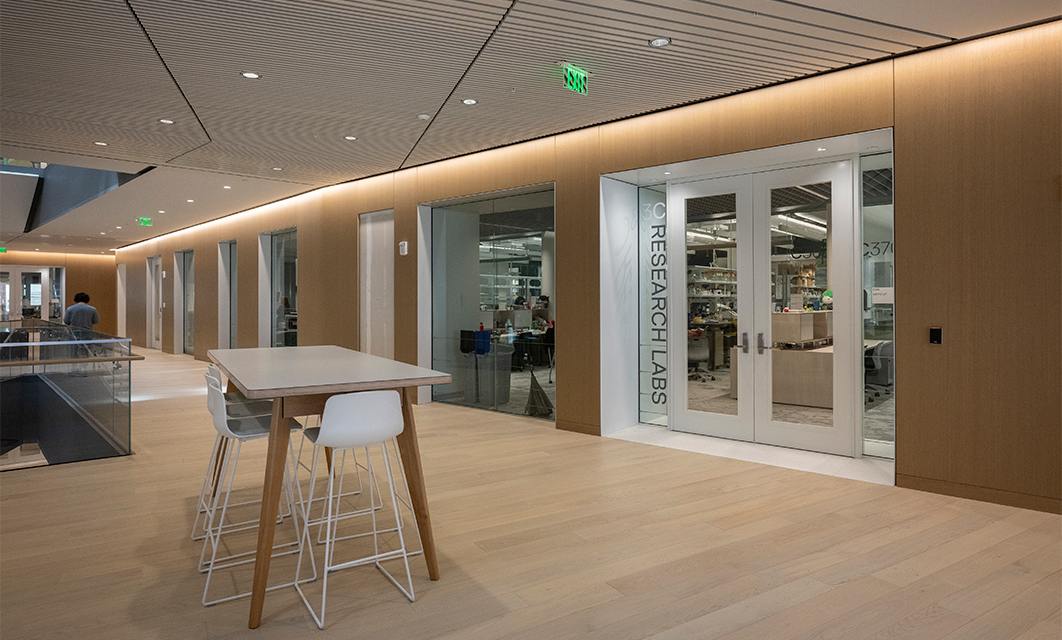
Exterior image of a research lab space on the third floor of the Casper Life Sciences Building.
-
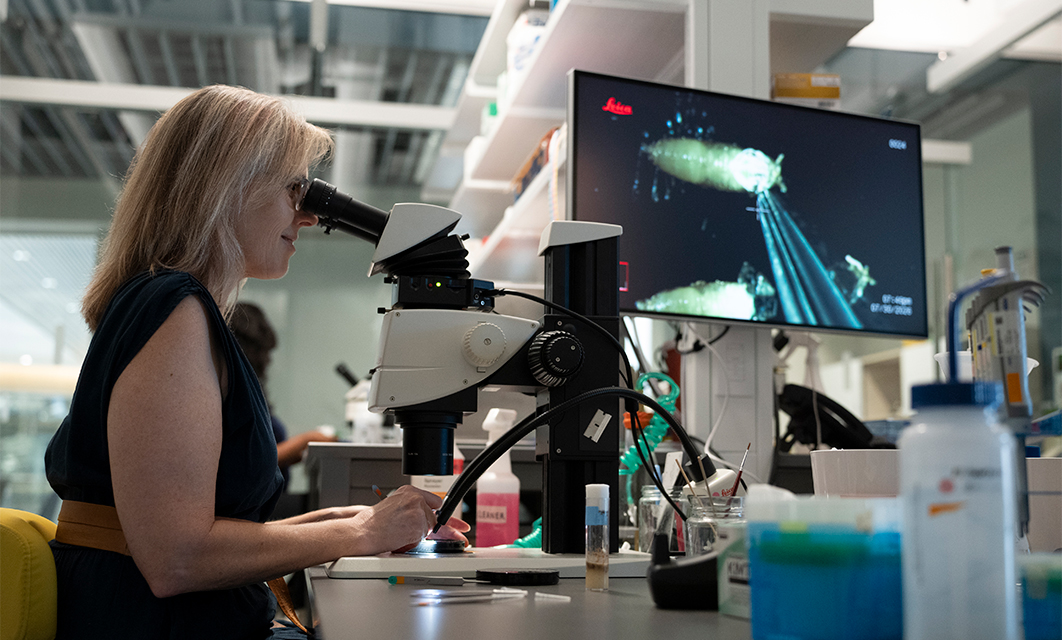
Dr. Ruth I. Johnson preforming a microdissection of Drosophila pupae in the Johnson Lab.
-
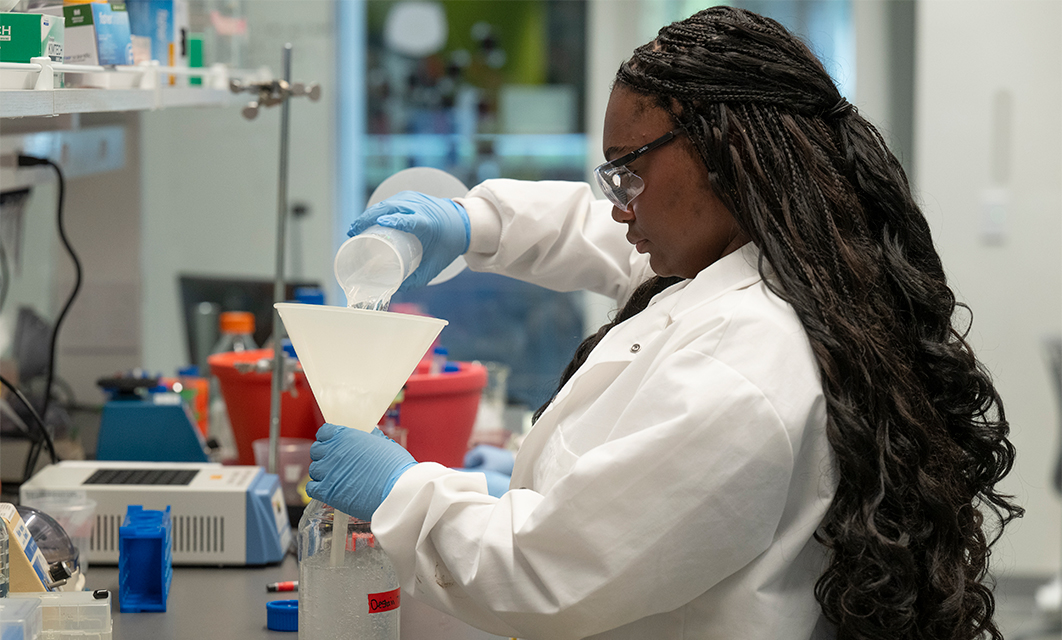
Jai Tavera ’27, a molecular biology and biochemistry major, preparing materials for her work to produce bacterial proteins in Dr. Oriana Fisher's lab
Marc Casper has spent his career working in the life sciences and is chairman and chief executive officer of Thermo Fisher Scientific, which serves the global scientific community. A Wesleyan alumnus and parent, he is also Senior Vice Chair of the Board of Trustees and a member of the Campaign Executive Committee.
“Wesleyan empowers its students and faculty to tackle big questions in search of new ways to understand the world,” said Casper. “This new space builds on nearly two centuries of scientific learning, research, and exploration at Wesleyan. It is humbling and thrilling to think about all that will happen in this building in the years ahead.”
The Casper Life Sciences Building will open to students with the start of the fall semester in September, marking a new phase for scientific teaching and discovery at Wesleyan.
Wesleyan alumni, parents, families, and friends interested in learning more about the Casper Life Sciences Building have a great opportunity to do so during Homecoming + Family Weekend (October 16–18), when there will be guided tours of the building, WESeminars, and more during a celebration of the sciences at Wesleyan.
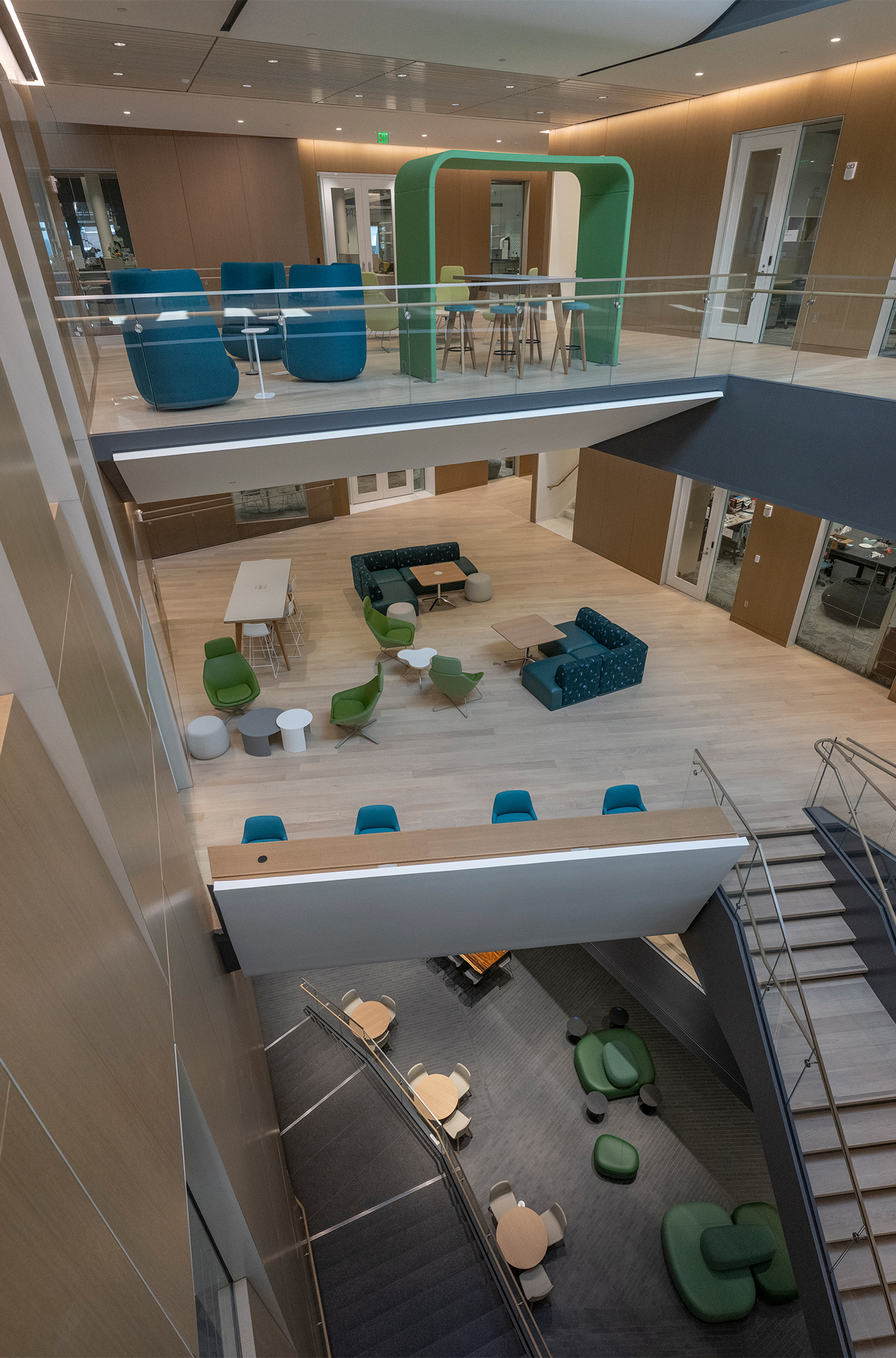
Looking out from the fourth floor of the Casper Life Science Building. Its open, transparent floor plan was built specifically to foster connection and collaboration.