More Than a Game: Athletics at Wesleyan
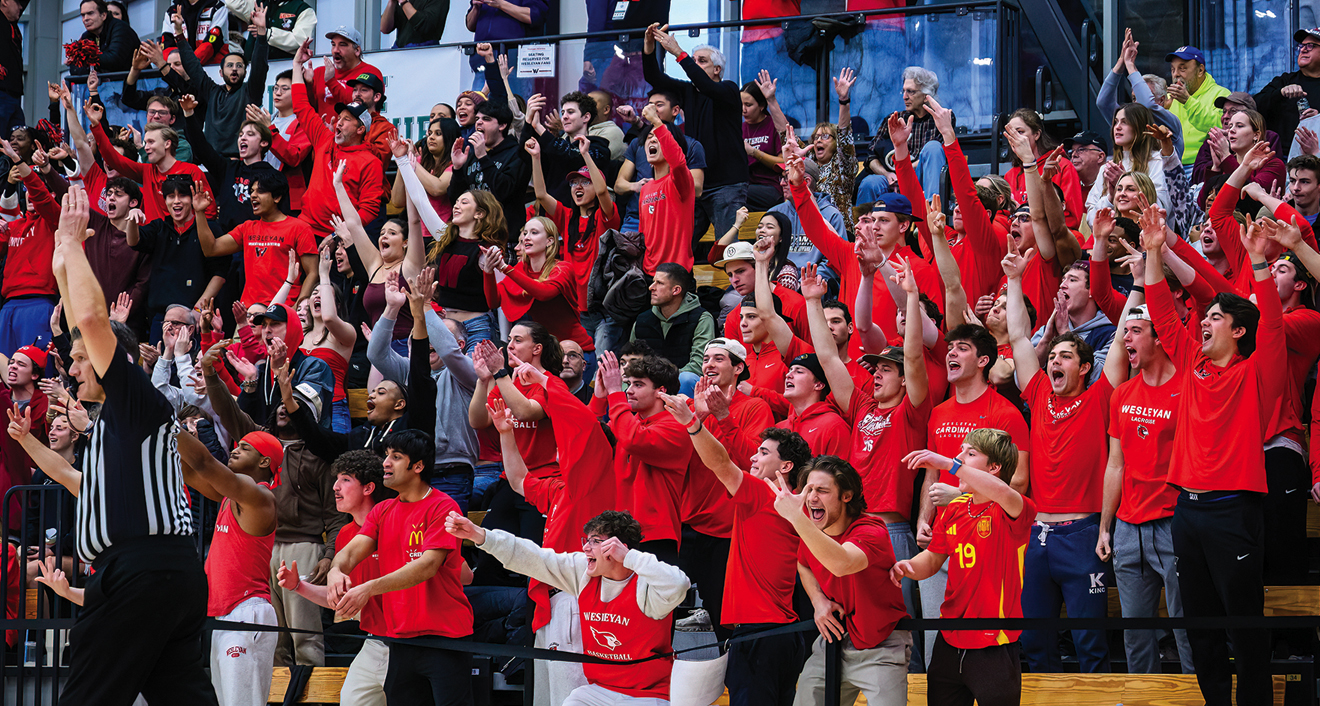
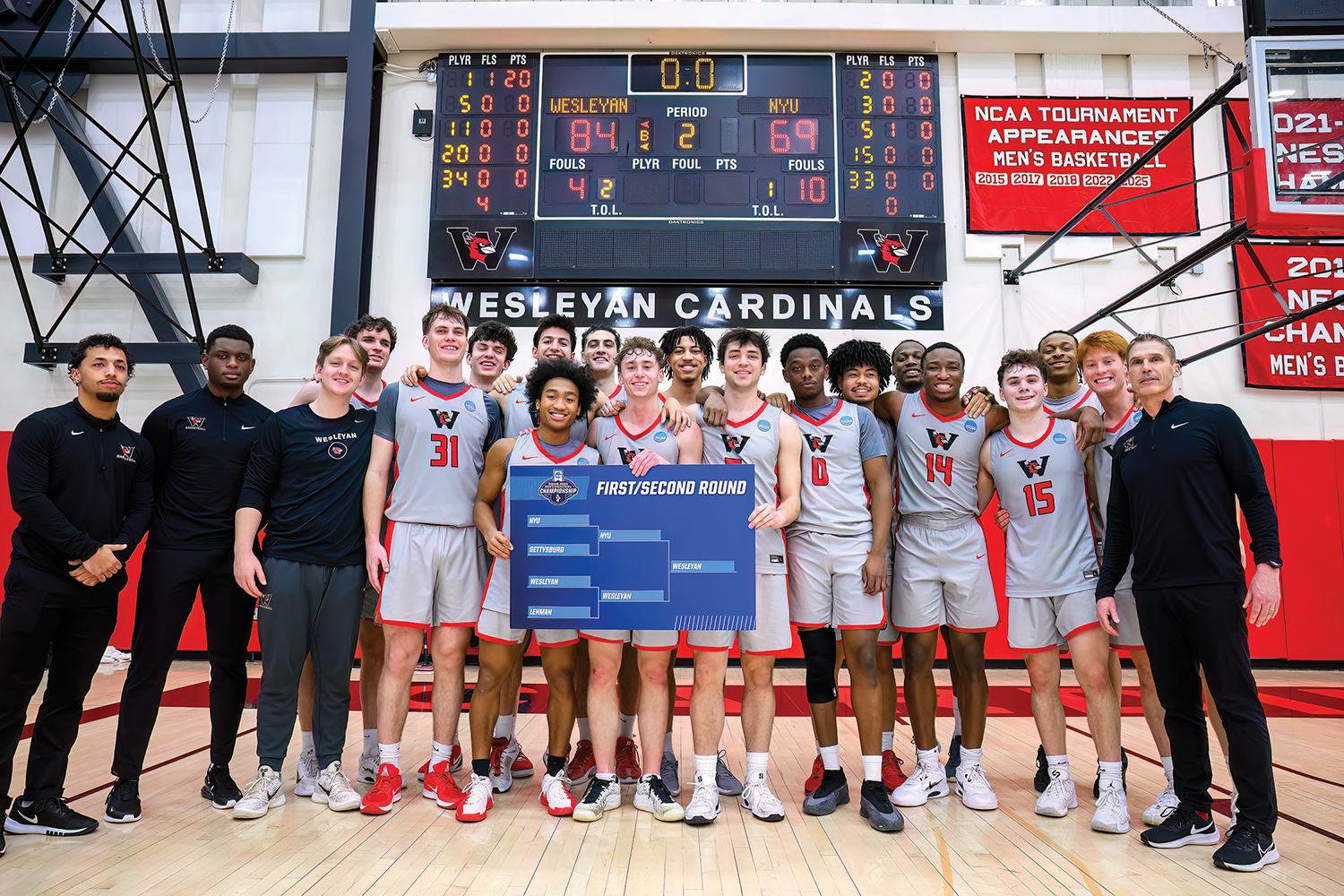
Sam Pohlman ’26 calls his four seasons with men’s basketball “a roller coaster of uncertainty”: After starting as a first-year player, getting benched, and working back into the rotation, he finished his career starting every game of the 2025–26 season and scoring 374 points during Wesleyan’s run to the NCAA Sweet 16. But minutes and points were only part of the experience.
Pohlman calls the lessons in leadership and empathy from Coach Joe Reilly “the best teaching points of my entire Wesleyan education.” He valued the emphasis on academics, which allowed him to spend a summer at the London School of Economics. And there was Senior Day, where he started alongside four classmates with whom he’d joined the squad four years prior. “The NESCAC might be one of the last places where you get to experience such a close bond with the same teammates over the course of four years,” says Pohlman, who chose Wesleyan over opportunities to play at higher levels. “Everyone is connected for life.”
Amidst a rapidly commercializing collegiate sports landscape, Division III athletics has become one of the last arenas preserving the fundamental principles of sport: love of the game, top-tier competition, perseverance despite setbacks, and the immeasurable potential of teamwork over individual effort. D-III institutions like Wesleyan offer students a pathway to play the sport they love, focus on their education, and still have time to develop skills and interests that will shape their lives off the field and after graduation.
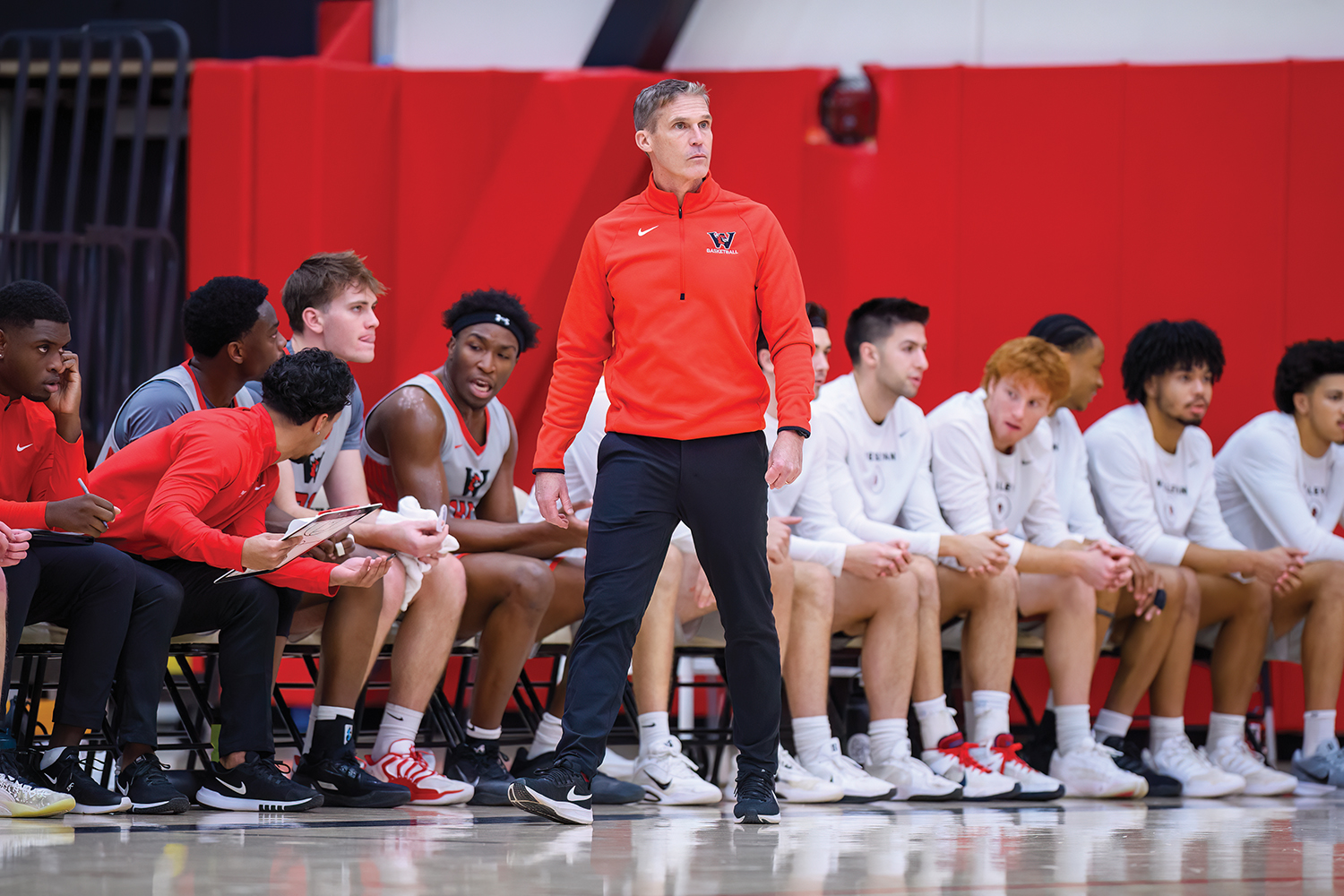
“These four years set up your next 40,” said Joe Reilly, head coach of men’s basketball and adjunct professor of physical education. “You go to Wesleyan to have a college experience. Basketball, for our guys, is a very important part of that experience, but it’s not the [entirety of the] experience: it’s your education, your networking, and just immersing yourself in every aspect of the vibrant life at Wesleyan.”
For Division I athletes, sport usually eclipses the rest of their college experience. In recent years, the commercialization of NIL rights—the ability of student-athletes to profit off the use of their name, image, and likeness, which helps compensate student-athletes at the center of the lucrative college sports economy—has arguably further tightened that emphasis on athletics. For certain sports, it’s increasingly rare that a player will graduate on the same squad where they started their college career.
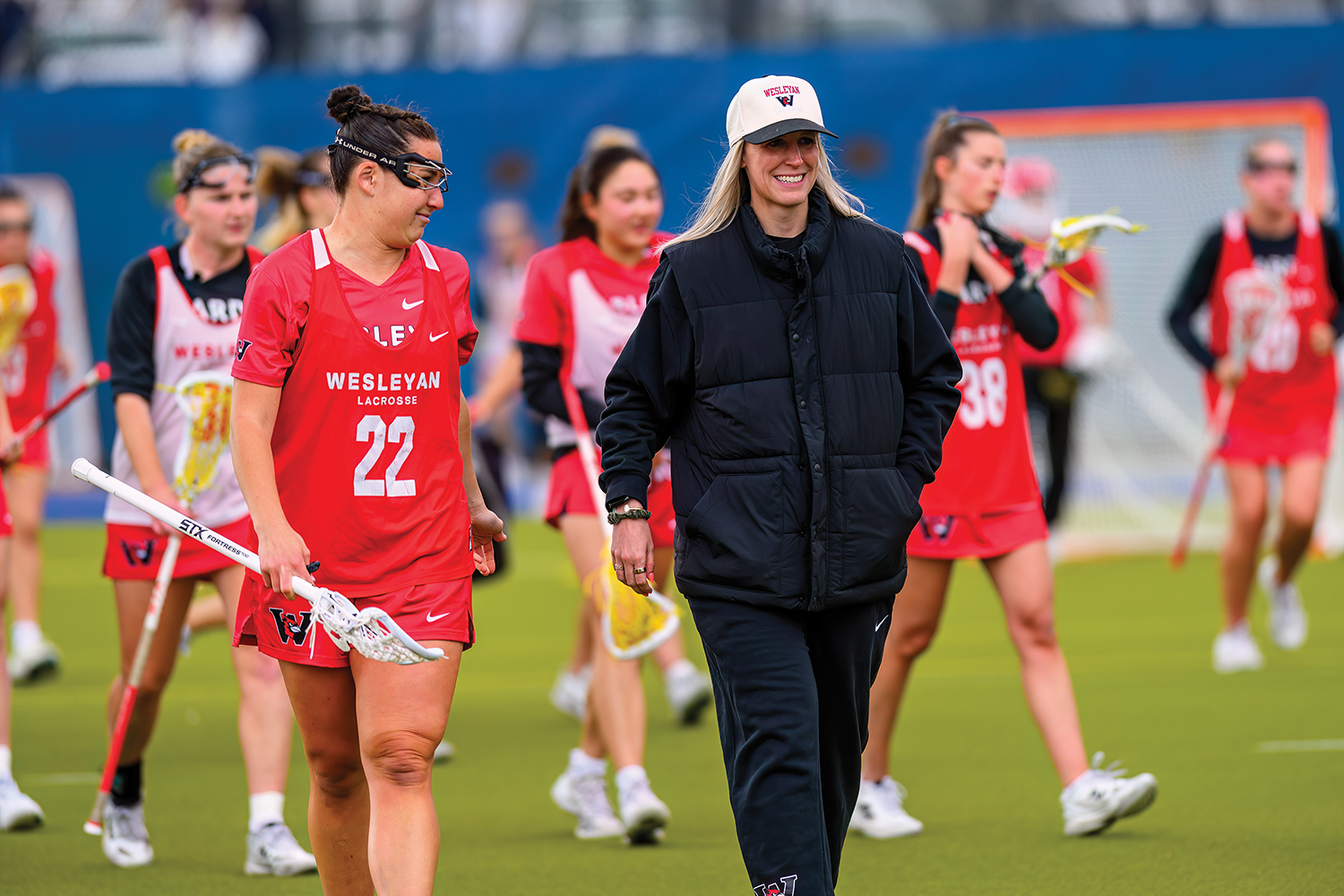
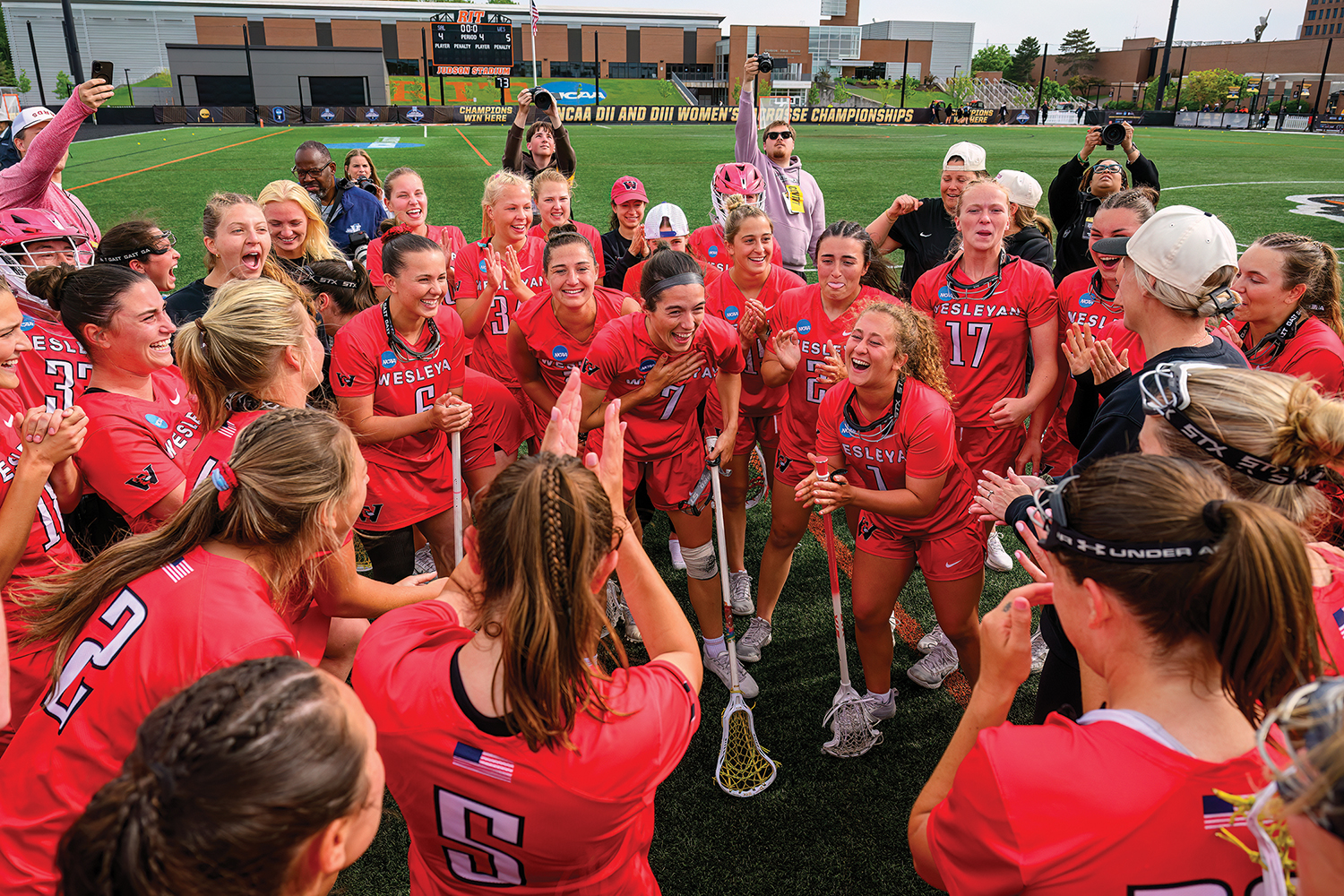
“You’re going to have challenges, you’re going to have failures, but it’s always about how we work through [them], and I think that’s something that our program is known for,” said Kim Williams, head coach of women's lacrosse. “We fight until the very end.”
In contrast, Wesleyan embodies what’s distinct about the Division III ecosystem: competition at a championship level alongside an enriching college experience. The University’s scholar-athletes aren’t sacrificing their education for their sport, they’re excelling at both. Since teams are not practicing for most of the offseason, players can study abroad, do research, or pursue internships and other opportunities for career advancement in their time away. At the same time, the competition remains stiff—especially in the NESCAC. “Division III offers an opportunity to be at the highest level academically and compete at the highest level athletically, and not have to compromise your academics, your experiences, while you also get to compete for a championship,” said Kim Williams, head coach of women’s lacrosse. “I think that’s just an incredible balance.”
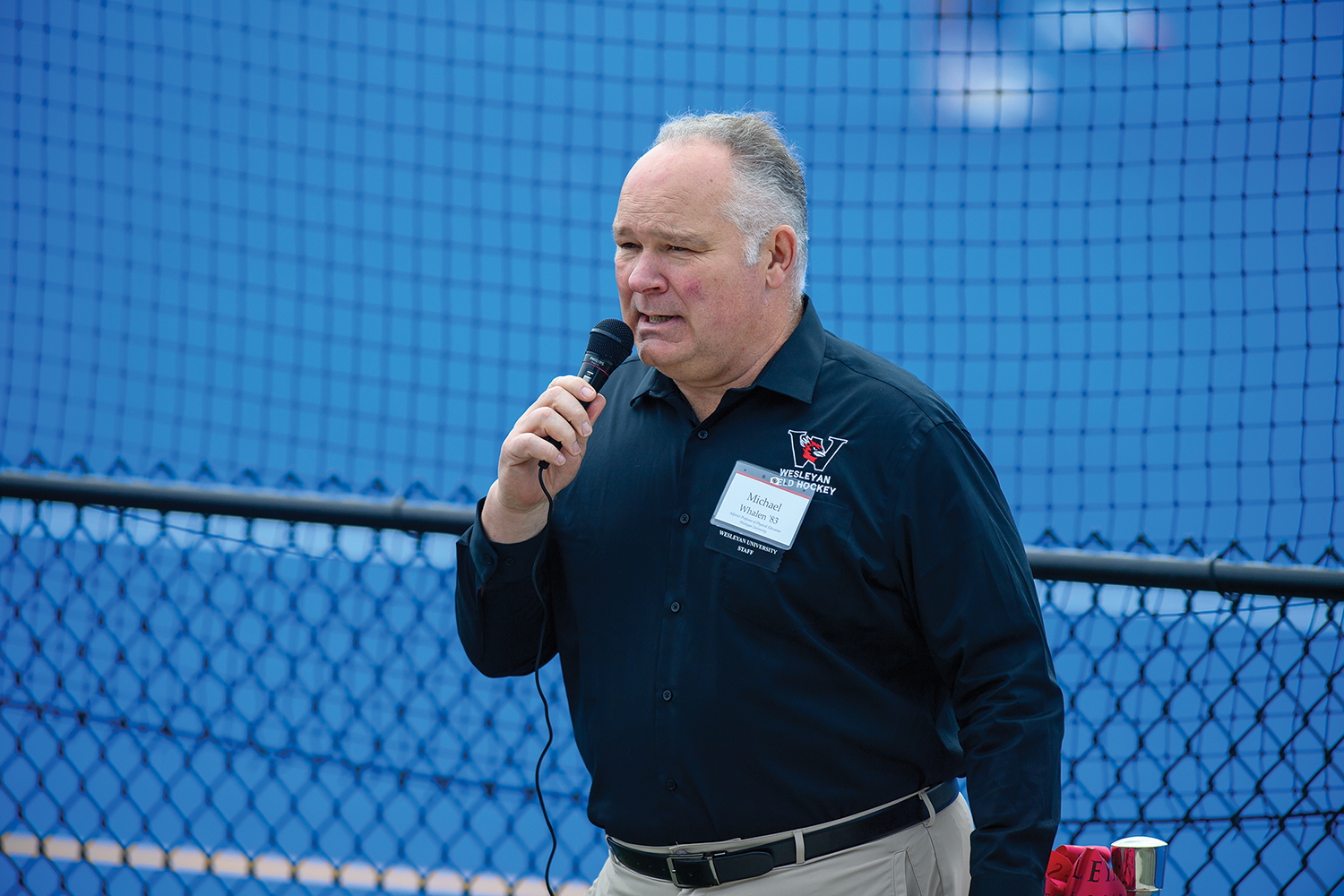
When Director of Athletics Michael Whalen was first hired as head football coach, ensuring academics are athletes’ first priority was the focal point of his initial conversation with President Michael S. Roth ’78. During Whalen’s 17-year tenure at the helm of Athletics, the department has focused on making strong coaching hires who have an ability to recruit high-achieving athletes—both in the classroom and on the field—and improving teams’ fundraising structures by creating endowments for each program and investing in facilities upgrades. “Our coaches do a phenomenal job of articulating their team culture and making [student-athletes] understand the importance of the end result being about we instead of me,” Whalen said. “I think, especially in today’s day and age, that’s invaluable for students at any higher education environment.”
Teammates and Leaders
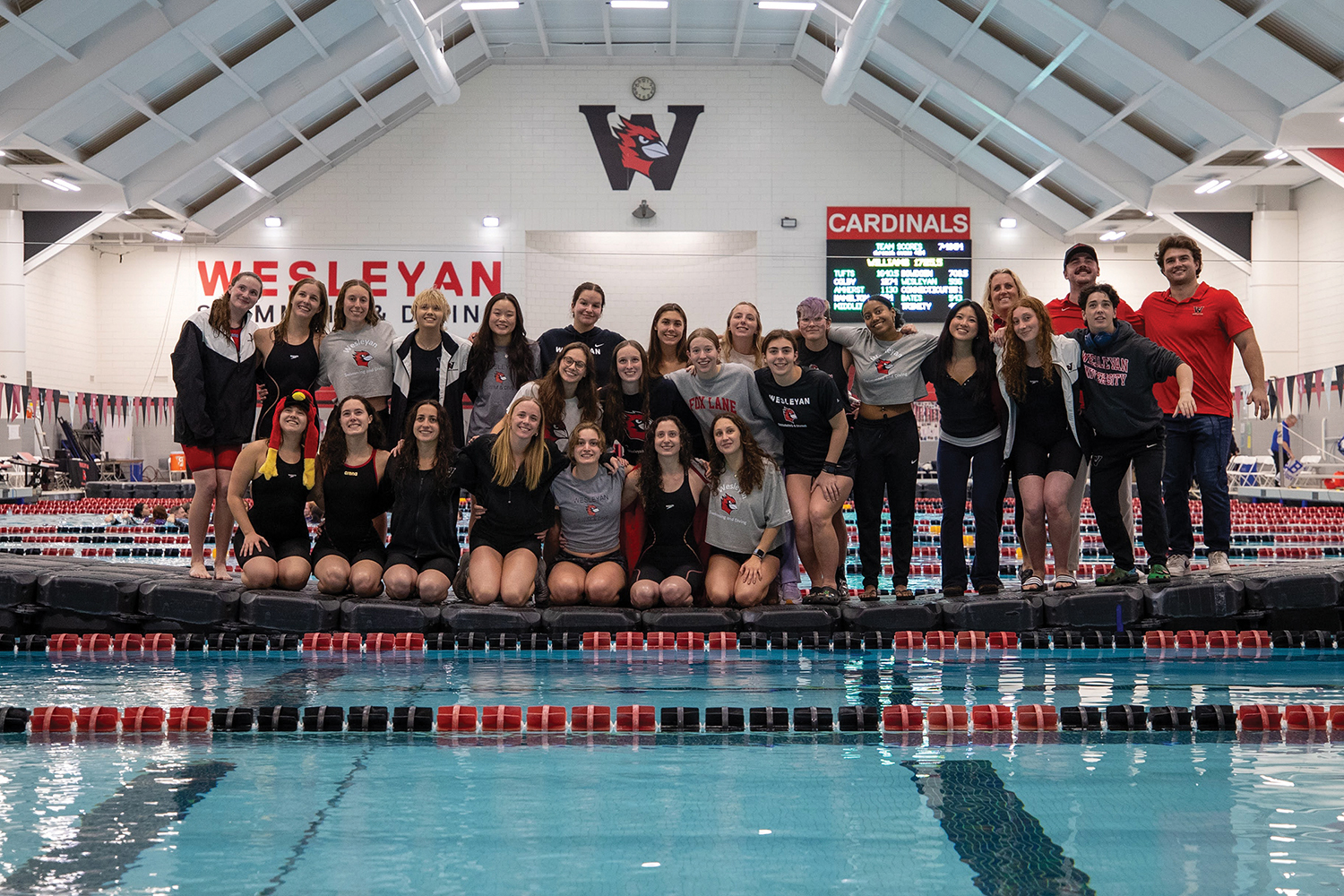
This spring, Wesleyan had 192 student-athletes earn NESCAC All-Academic Team status, the most in a single season in school history, as sophomores with a 3.5 GPA or higher. Combined with fall and winter, the Cardinals had 433 athletes receive this recognition this past year, a school record. Wesleyan also had 14 student-athletes earn Phi Beta Kappa this past year, tying a department record. At the same time, the Cardinals had the most points in school history, 668.5 points, in the Learfield Directors’ Cup Standings in 2025–26. This leaderboard ranks all Division III schools across sports based on how they performed in the regular and postseason—Wesleyan placed 20th of 427 colleges and universities.
Reilly and Williams are just two of many Wesleyan coaches who have turned their respective programs into national powerhouses. Under Reilly, men’s basketball has made six NCAA Tournament runs, including a Final Four bid in 2024–25 and a Sweet 16 appearance in 2025–26, and won two NESCAC Championships. When he arrived, the team had never qualified for the NCAA Tournament and had never ranked in the top 25; now they have been ranked in 10 of the last 12 seasons, coming off the most successful back-to-back seasons in the team’s history. Similarly, Williams has led women’s lacrosse to unprecedented success: In 2017, a team that had previously gone eight years without a winning season finished with its best-ever record. Since then, the Cardinals have made eight straight NCAA Tournaments, including a national runner-up finish in the 2026 tournament.
These programs, like the rest of Wesleyan’s varsity sports teams, are built on shared values—values essential to weathering four years of successes and setbacks with equal resolve, and facing adversity with commitment. “You’re going to have challenges, you’re going to have failures, but it’s always about how we work through [them], and I think that’s something that our program is known for,” Williams said. “We fight until the very end.”