The Professor Who Taught Wesleyan to Dance
Cheryl Cutler MA ’71 was just a 20-year-old senior at Sarah Lawrence College when she was hired to teach dance at Wesleyan. The University hired Cutler on the recommendation of her mentor, renowned dancer, choreographer, and teacher Bessie Schönberg, because the Theater Department wanted its majors to learn to move comfortably in their bodies. It was 1967, and at the time, Wesleyan’s student body was all male. At a Downey House dinner for new faculty, a colleague asked Cutler what she’d be teaching.
“When I proudly said ‘dance,’ he burst out laughing,” she recalled in a 2024 WESeminar on coeducation. He said, “You expect men to dance?!”
She did, and they did.
A professor of dance at the University for more than 30 years, Cutler forged a visionary path for liberal arts dance education and taught generations of Wesleyan students who’d never so much as bent their knees into a plié that anyone can dance. She died March 16, 2026, at age 79.
“[Cheryl Cutler] championed the idea that dance is for everybody, and that in dance class you don’t just learn about dance—you learn about how to be in the world.”
Cutler’s approach, built around the idea that liberal arts dance education should be inclusive and intellectual, leaves a legacy that still resonates. In fact, the syllabus for Intro to Dance today (a class that still logs more than 50% male enrollment) is based on the same one Cutler created more than a half century ago.
“She championed the idea that dance is for everybody,” says Associate Professor of Dance and Dance Department chair Katja Kolcio, “and that in dance class you don’t just learn about dance—you learn about how to be in the world.”
Quickly, Cutler’s introductory class became a favorite, with students across disciplines recommending: Take Intro to Dance before you graduate.
It became so popular that in 1983 it attracted the attention of a New York Times reporter, who described students learning the waltz and polka alongside dance improvisation and philosophy. The article quoted a math and economics major saying it provided him with “a rare chance to be creative without the prospect of being laughed at.”
Cutler’s students read dance history. They studied the cultural contexts of dance. “She taught them to think about what’s behind the movement,” says Adjunct Professor Emerita of Dance Susan Lourie, who taught and danced with Cutler for decades. “She expected the physical to be grounded in the intellectual and the intellectual to be connected to the physical.”
As Kolcio explains: “You don’t start with your toes turned out and bending your knees. You start by walking around the room, noticing people, noticing what feels different from yesterday.”
Mark Knowles ’76 recalls dancing in the dark during an advanced workshop with Cutler. “And no one ever bumped into anyone, because we had developed such sensory awareness of the people around us. Who is here? What is my relationship to them? What is my responsibility for their safety? I mean, that’s profound in itself.”
The summer before his freshman year, Knowles was considering a pre-med courseload when he met two newly graduated seniors who told him about Cutler. Though he’d never taken a dance class before, he registered for Introduction to Dance.
“It was the first time I really had to use my body and my mind at the same time,” Knowles says. He became one of the first dance majors at Wes and then a professional dancer, director, choreographer, and teacher. Cutler was his mentor. “She would say, ‘Feel your foot on the floor. It’s delicious. It’s like your feet are digging in and eating the floor.’ I never felt judged or compared. I just felt accepted, loved, and supported in my own discovery.”
Part of Cutler’s early role was to guide Wesleyan into coeducation and a more enlightened era. Every ballroom dancing student practiced male and female parts. Intro students learned folk dances that had no defined gender roles. Dance improvisation classes likewise had no predefined roles. “There was only listening and initiating, moving and responding,” Cutler said in 2024. “Dance improvisation literally requires learning to think on one’s feet.” Students took that practice with them into the chemistry lab, the artist studio, job interviews, and personal interactions throughout their lives.
Cutler often said, “love is ultimate,” a lesson she taught by holding students and herself to high standards, instructing without demeaning, and demonstrating reverence for bodies in motion, Knowles says. The joy she took in dancing and teaching and that she imparted to her students and colleagues was infectious and undeniable.
Professor Emeritus of Theater Jack Carr remembers moving into the office right next to Cutler’s during his first days at Wesleyan:
“I’m sitting in my office and hear a loud scream—really loud. I run out, burst into Chery’s office, and there she is smiling with a student.” The student had just shared good career news. “Chery is screaming with joy for this student. And she looks at me, and she says, ‘Oh, Jack, I do this a lot.’”
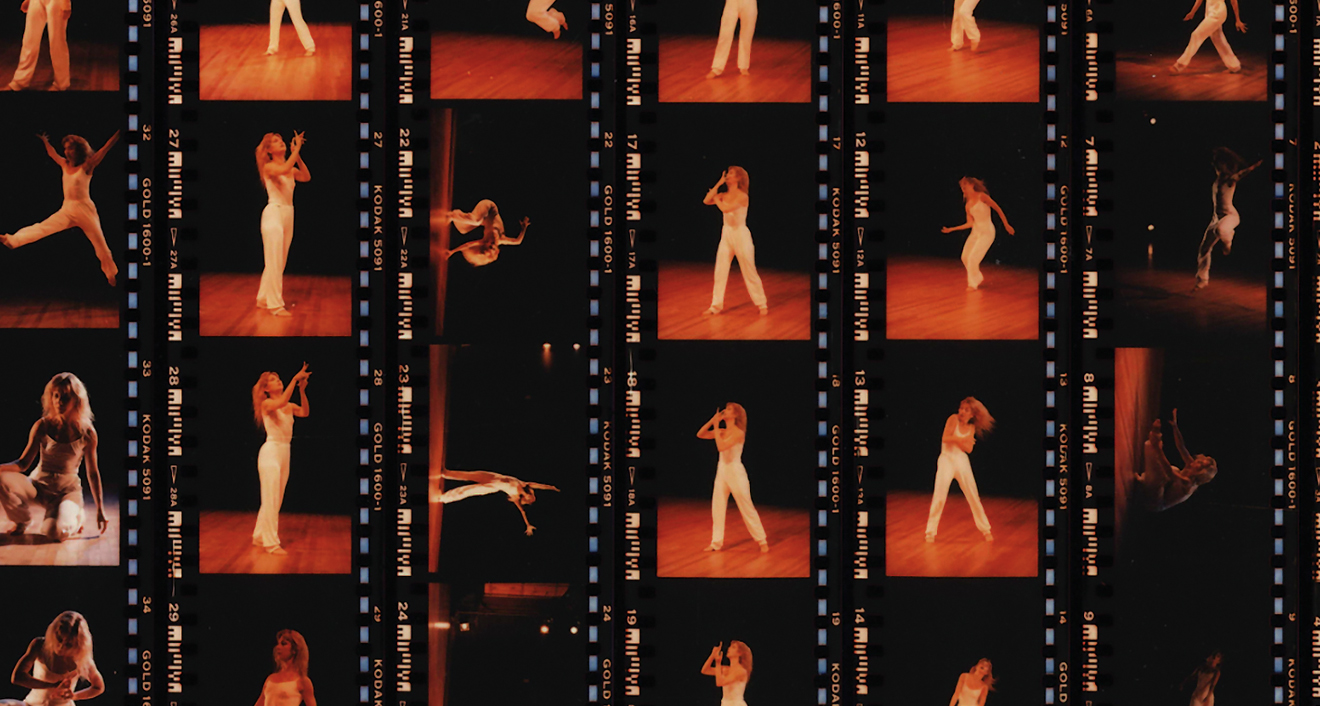
Lead image: Professor Emeritus of Dance Cheryl Cutler passed away in March 2026. During her time at Wesleyan, she pioneered the Dance Program and introduced countless students to the beauty and joy of dance at all levels. Photos courtesy of Special Collections and Archives.