
Skip to Main Content

AFTERWORDS

Our annual public program series exploring what happens after an encounter with a work of art, through conversations, reflections, and interdisciplinary inquiry. 
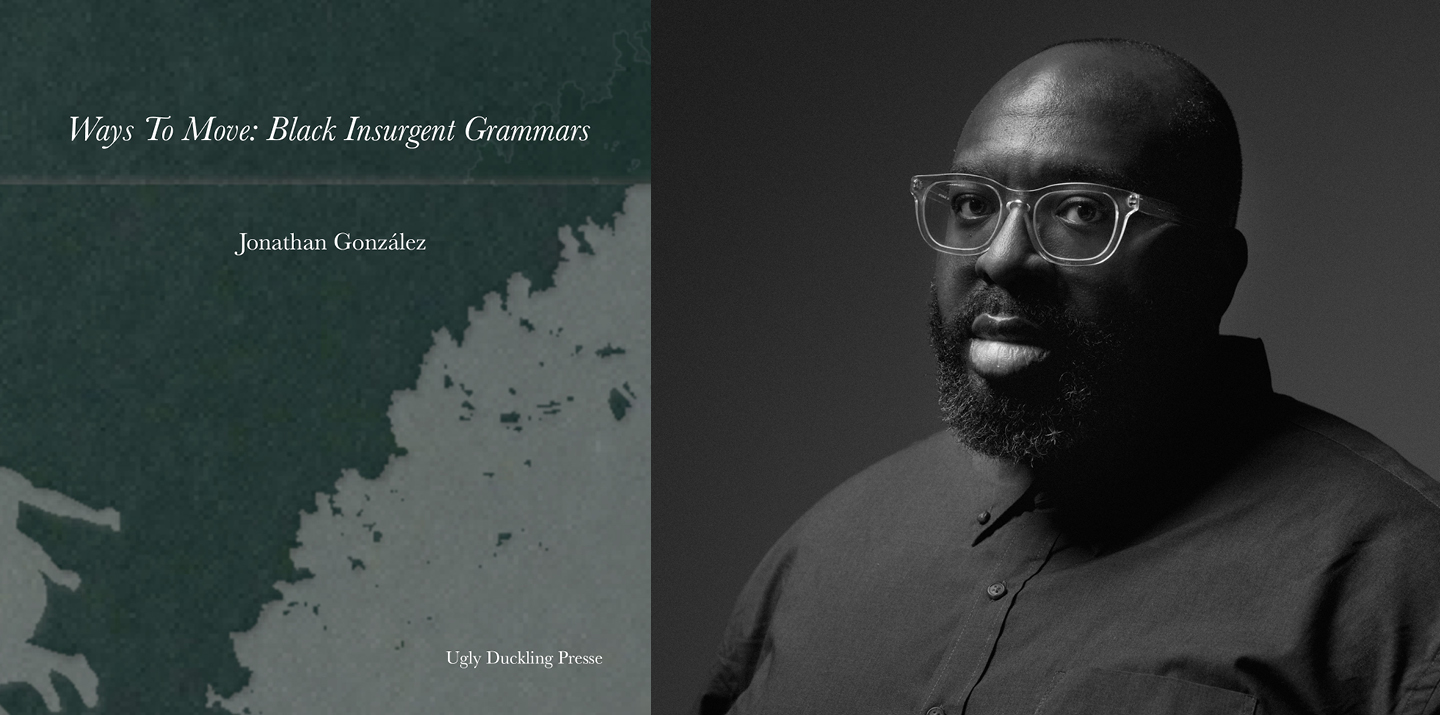
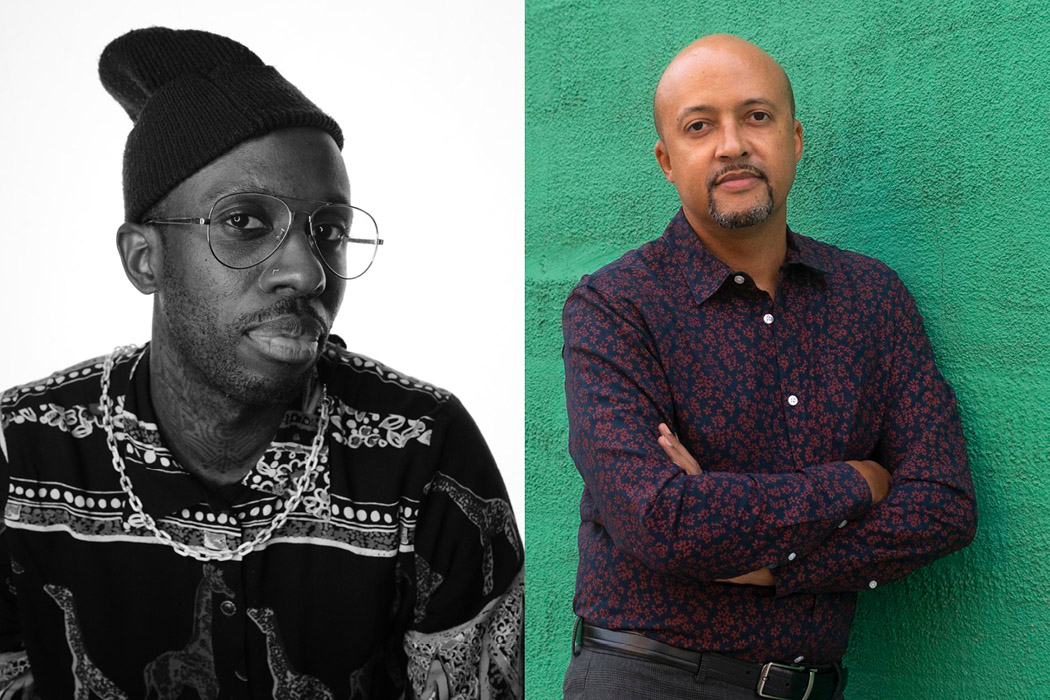
On left: A green and white, textured background displays a silhouetted, leaping figure and the foliage of a tree. In the center "Ways to Move: Black Insurgent Grammars / x / Jonathan González" appears in white text. In the bottom right corner "Ugly Duckling Presse" is written in white text. On right: headshot of Darius Jones

Annual

In-person events held in the Zilkha Reading Room and other campus venues. Select events also available online.

Free and open to the public 

Overview

Organized each year around a guiding keyword, AFTERWORDS invites artists, curators, scholars, and students to reflect on the resonances of performance, artmaking, and curatorial practice. Through live and virtual conversations, the series reveals how the arts do not simply reflect the world—they shape it.

AFTERWORDS offers a behind-the-scenes look at the concepts, collaborations, and questions that shape the Center for the Arts' annual programming. The events are designed to pull together on- and off-campus audiences for thoughtful, often interdisciplinary conversations about the role of art in personal and public life.

2025–2026 Key Focus: entanglement

To be entangled is to be attuned to the intimate, affective, and often unconscious threads that connect us to each other and the world around us. It implies responsibility, reciprocity, and the recognition that no one exists in isolation.

AFTERWORDS: entanglement brings together artists and curators whose work explores connection, interdependence, and the fragile systems—emotional, social, historical—that hold us together.

This year’s program is co-curated by:

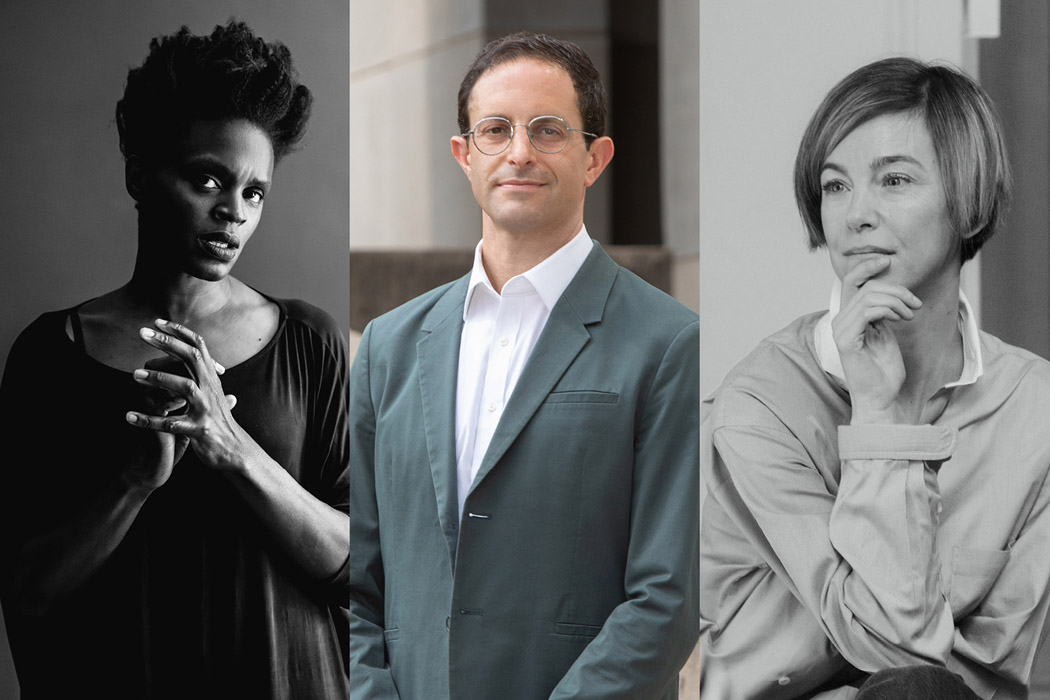
Joshua Lubin-Levy ’06, Director, Center for the Arts
Noémie Solomon, Director, Institute for Curatorial Practice in Performance
On left: A green and white, textured background displays a silhouetted, leaping figure and the foliage of a tree. In the center "Ways to Move: Black Insurgent Grammars / x / Jonathan González" appears in white text. In the bottom right corner "Ugly Duckling Presse" is written in white text. On right: headshot of Darius Jones

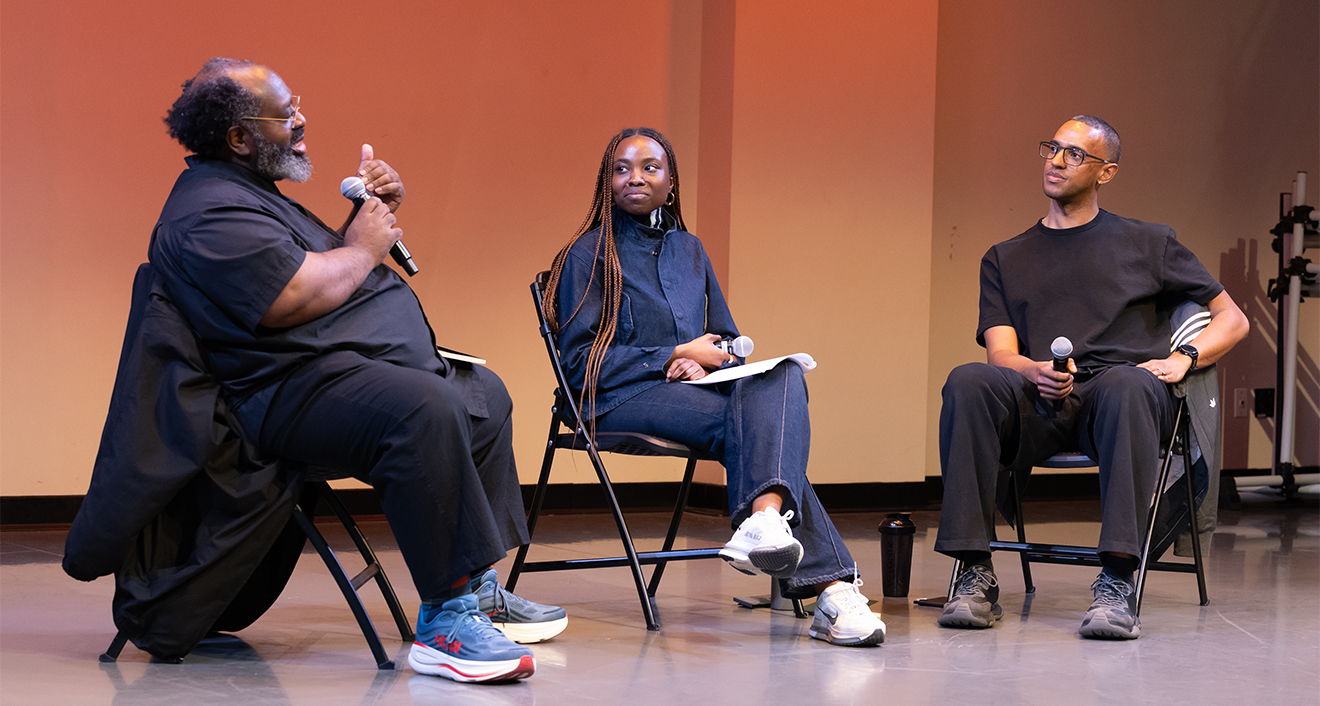
Season Highlight: Jonathan González and Darius Jones

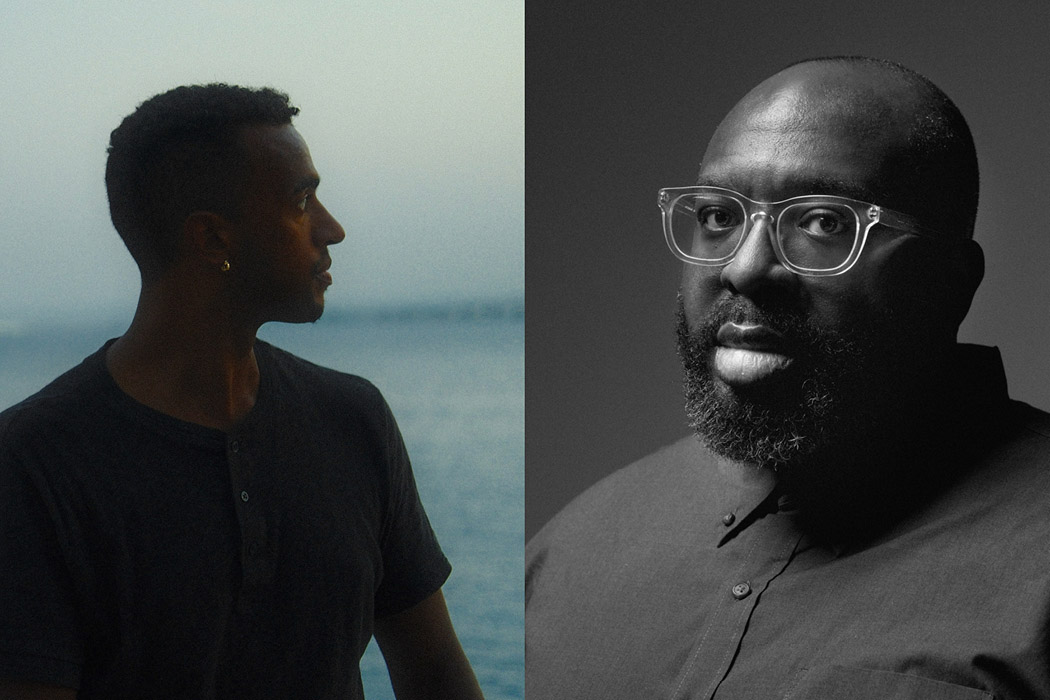
Choreographer, artist, and writer Jonathan González joins Assistant Professor of Music Darius Jones for a conversation exploring dance and music as Black counterhegemonic practices, modes of mapping alternatives to the present. Their dialogue bridges movement, sound, memory, and ritual, illuminating embodied practices that unsettle inherited structures of power.

Institute for Curatorial Practice in Performance
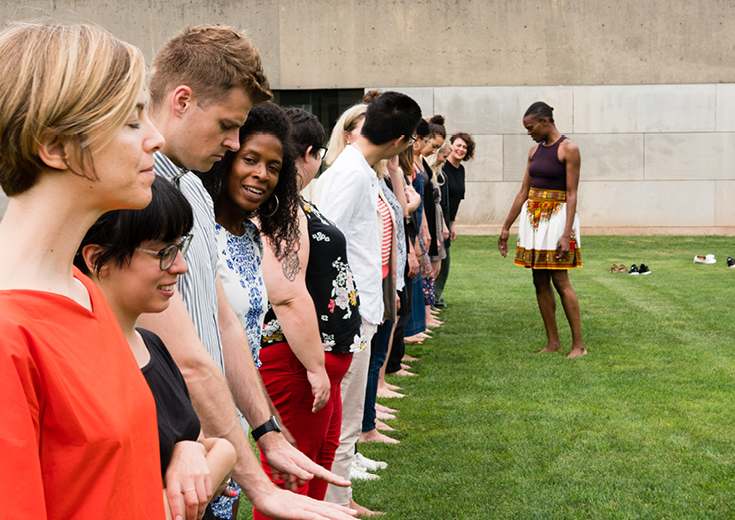
The Institute for Curatorial Practice in Performance fosters collective study and critical reflection around time-based art, with a particular focus on contemporary performance. Founded at Wesleyan in 2011 by Sam Miller ’75, P’09 and Pamela Tatge ’84, MALS ’10, P’16, the Institute for Curatorial Practice in Performance offers curators and artists new tools for collaborative practice.
People lined up on field with dancer teaching in front