



I’mmortal Fellowship
Five partnerships are developing projects that use creative practice to transform mental health, physical rehabilitation, and community reintegration in Ukraine and beyond.
Art As Medicine. Ukraine As Frontier.
Art has always led communities through the hardest moments—not as comfort, but as a lifeline for making meaning and holding each other together.
Founded in 2014 as a grassroots volunteer initiative, Razom for Ukraine has grown into an international organization committed to supporting Ukraine’s freedom and democratic future. The I’mmortal Fellowship is Razom’s first “Arts in Health” program, created to develop projects that use creative practice to transform mental health, physical rehabilitation, and community reintegration in Ukraine and beyond. The fellowship brings together Ukrainian and American artists, healers, and institutional partners to build transatlantic partnerships to envision and develop projects together.
Recognizing Ukraine as a vital frontier for innovations in trauma recovery, the fellowship champions collaboration and co-creation – bringing Ukrainian resilience practices to a global stage, and sharing them with a world facing multiple crises. The program is designed to be mutually generative: an opportunity to experience the innovations that have been fundamental to Ukrainian survival, and to ask what they might offer the rest of us.
Five cross-border partnerships were awarded grants to develop original, community-rooted work throughout 2026. Projects span four areas of urgent need: psychological and physical trauma recovery; resilience for healthcare workers facing burnout and moral injury; community reintegration for displaced individuals and veterans; and institutional innovation—building replicable models for arts-integrated care across hospitals, universities, and cultural organizations.
Presented by Wesleyan University’s Center for the Arts in partnership with Razom for Ukraine. Sponsored by the Allbritton Center for the Study of Public Life, Ukrainian Self Reliance Credit Union, and Community Health Center of Middletown. Additional support provided by Wesleyan’s Fries Center for Global Studies; Jewett Center for Community Partnerships; Dance Department; Russian, East European, and Eurasian Studies Department; and Bailey College of the Environment.
-
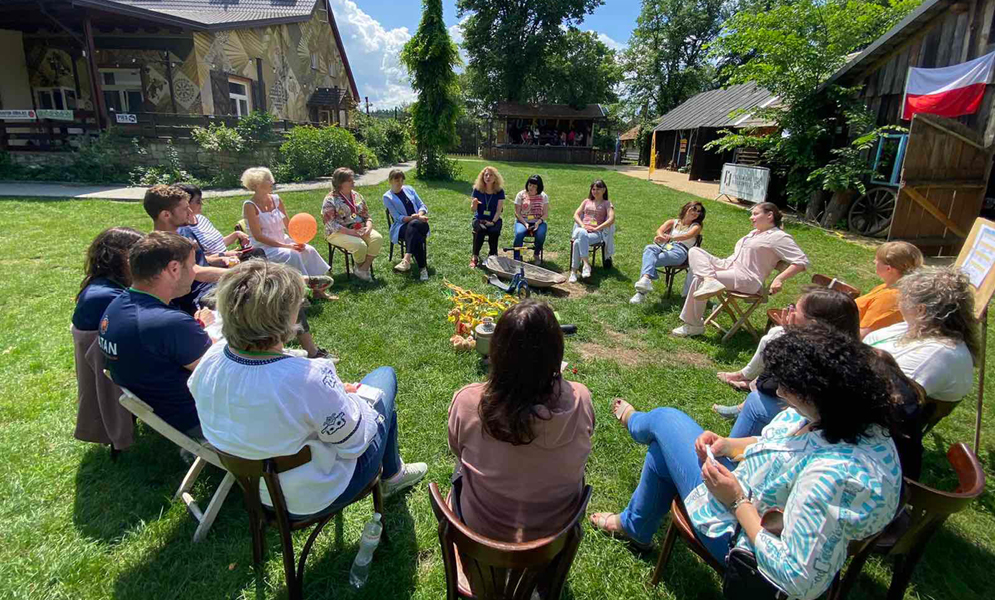
Gathering Around The Fire focuses on arts, healing, and resilience, and features Jessica Hecht and Alexandra Zaslav of The Campfire Project (New York) and Mariana Ivanovych and Marcin Piotrowski of Folkowisko (Nahachiv, Ukraine).
-
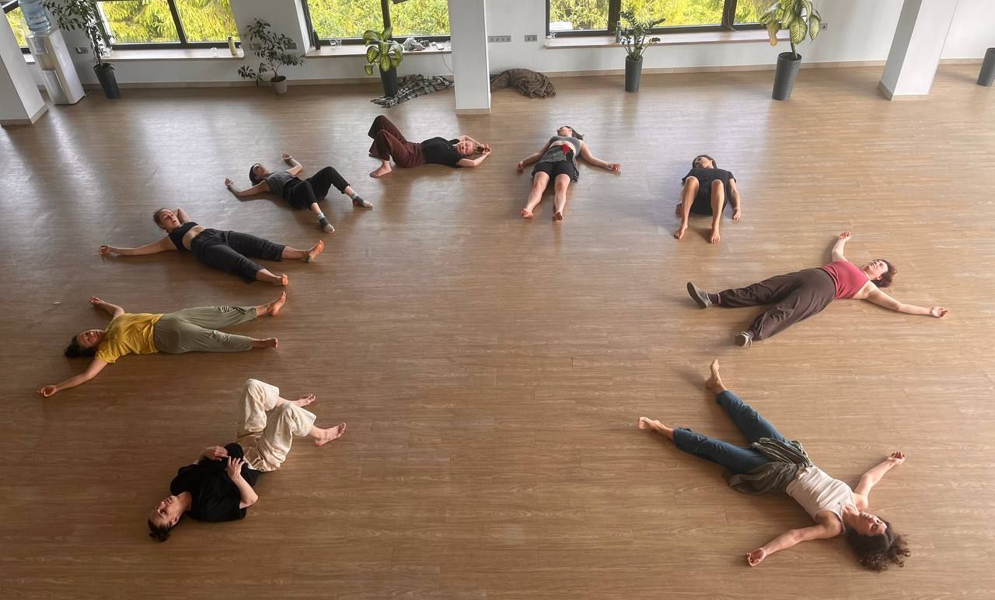
Rhythm as Regulation features Yekaterina Chizayeva (New Orleans, Louisiana) and Kateryna Taranova (Kyiv/Lviv/Slavsko, Ukraine).
-
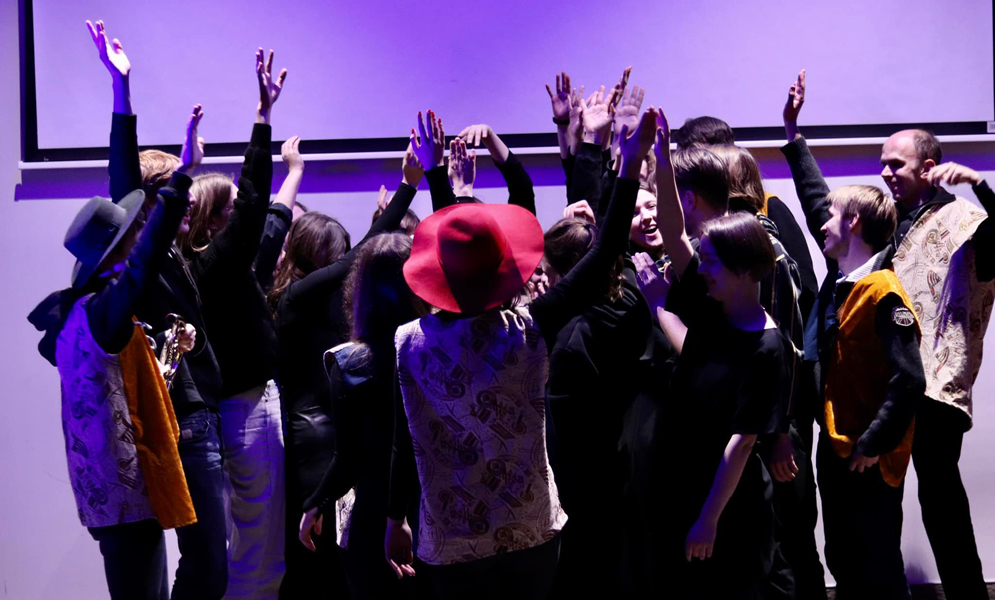
“Me - The Other” focuses on inclusive theater and narrative restoration, featuring Deb Gottesman of The Theatre Lab — Life Stories Institute (Washington, D.C.) and Yuliia Vintoniv of the Ukrainian Catholic University (Lviv, Ukraine).
-
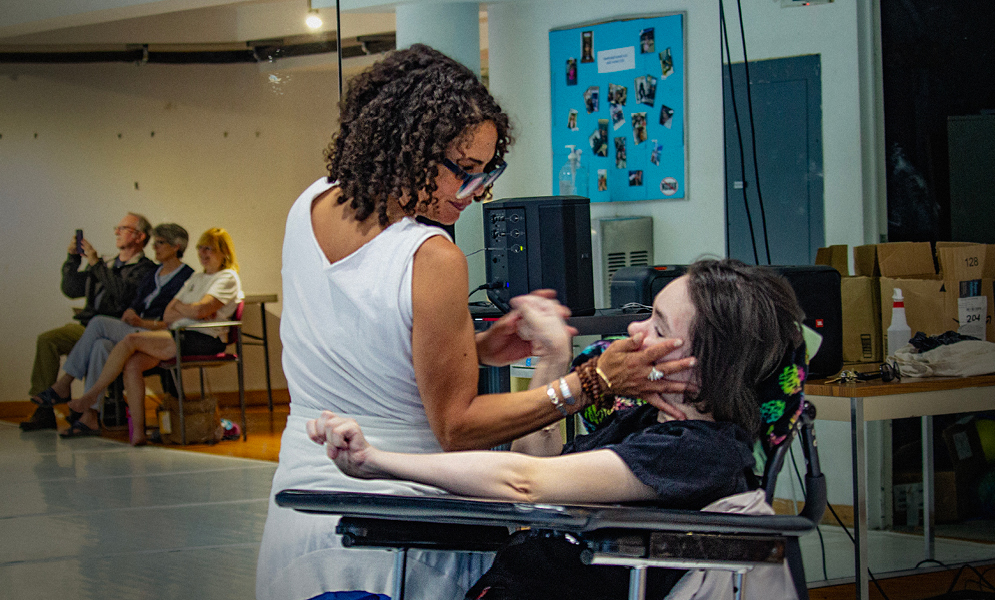
Artscapes of Care focuses on community workshops and toolkits, and features Kerry Kincy (Middletown, Connecticut), Nathalie Robelot-Timtchenko, Oleksandra Kliushnova, and Joanna Wroblewska of First Aid of the Soul (Kyiv, Ukraine and Washington D.C.), and Dr. Midori Samson (Lawrence, Kansas).
-
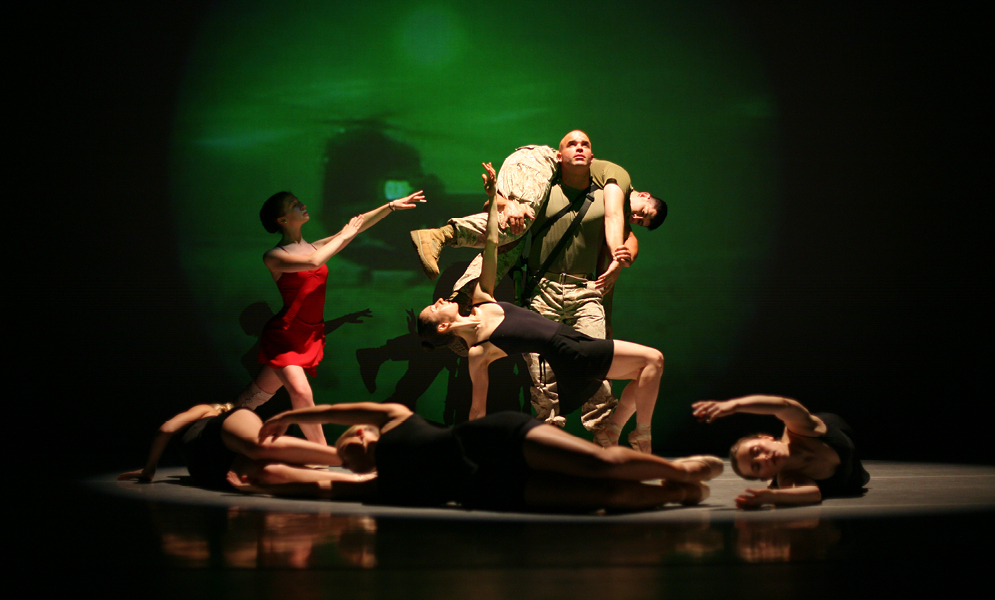
Moving, Imagining, and Unbroken features Román Baca of Exit12 Dance Company (New York), Alina Spas and Dr. Brendan Bo O’Connor of the Imagination Lab (Albany, New York), and Dr. Yuliia Rozmyrska of Lesya Ukrainka Volyn National University (Lutsk, Ukraine).