
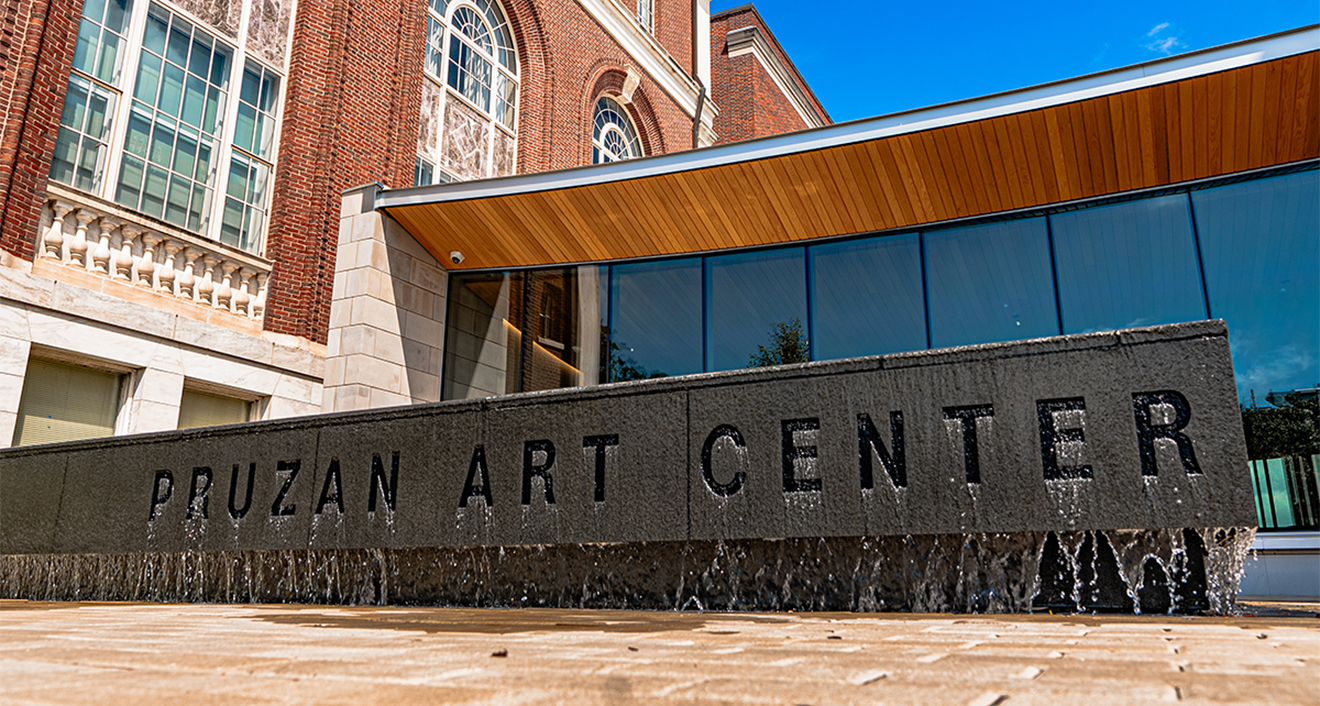
Celebrating Black History Through Art
A striking black-and-white 2002 etching of Martin Luther King, Jr. by the artist John Wilson drew visitors to lean in and examine up close the tonal, wash-like shading effects and fine detail on the thin, delicate paper behind the frame.
This etching was one of several artworks on display during the Davison Art Collection’s special viewing of works by Black artists from Wesleyan’s collection on Feb. 19. The viewing, which took place in the study room in Olin Memorial Library, highlighted prints, photographs, and drawings by 11 different artists. It was organized by Annie Hedgepeth ‘26 in partnership with The Resource Center and the Department of Art and Art History during Wesleyan’s celebration of Black History Month.
During the fall 2025 semester, the Davison Art Collection hosted an informal viewing of works by Latin and South American artists for Art History students. "The students really liked being able to use the study room,” the Donald T. Fallati and Ruth E. Pachman Curator of the Davison Art Collection Miya Tokumitsu said, noting that the event planted the seed with students that they can partner directly with her to lead study room programming and activate the collection for the campus community.
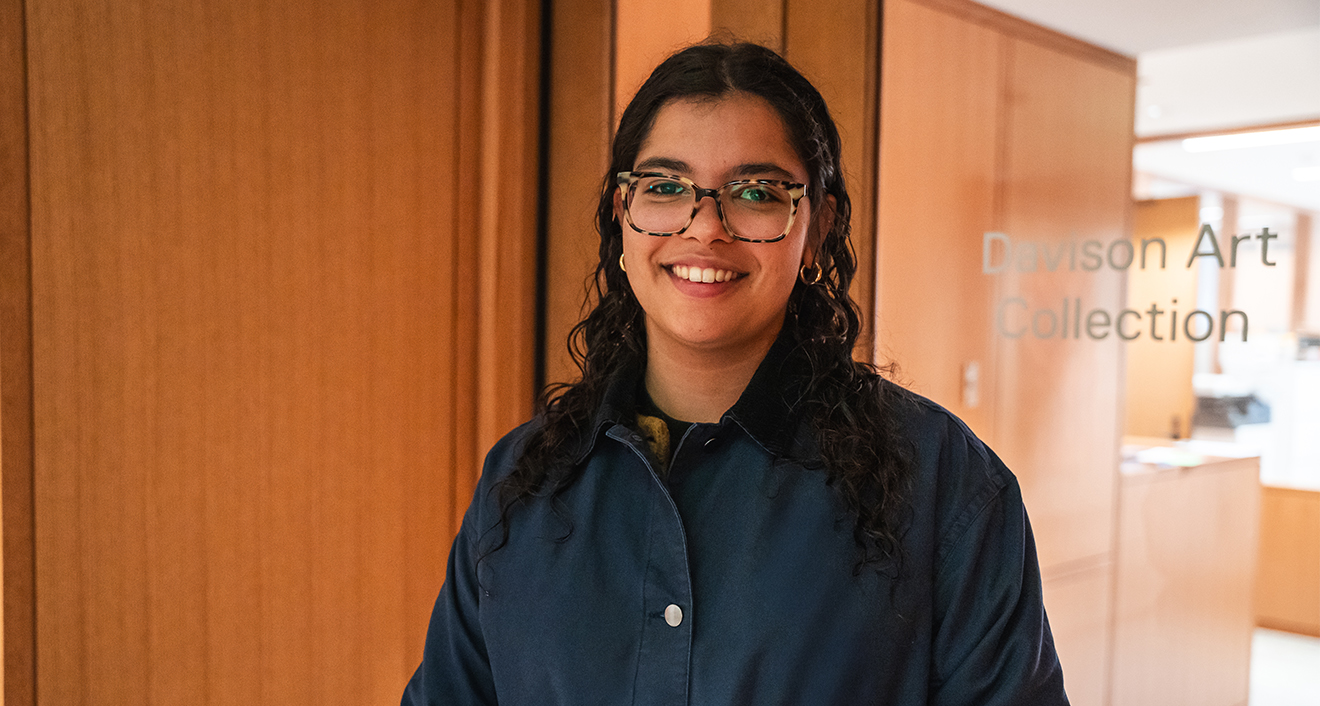
Hedgepeth got in touch with Tokumitsu about holding an event that would be open to the community for Black History Month. “I thought it would be great if we could get to see more works on paper in the collection that usually don't get taken out,” she said. An Art History major with a minor in African American Studies, Hedgepeth is focusing on works by sculptor Melvin Edwards for her senior thesis.
Wesleyan’s art collection holds one of the foremost collections of prints at a college or university in the United States and includes a range of 20th-century Black artists. “I wanted to show a variety of abstract and figurative work,” Tokumitsu said, pulling together a mix of works on paper, including etchings, lithographs, drawings, and photographs for the viewing.
The earliest work Tokumitsu selected to display was a photograph by James Van Der Zee of the Union Baptist Church Group in Harlem, New York made in 1928. Another print was from a photo by Gordon Parks published in Life magazine in 1968 as part of the story, “A Harlem Family”/“At the Poverty Board.”
Hedgepeth said she was particularly excited to see the linocut print Boo Hoo (2000) by artist Kara Walker during the viewing, after seeing Walker’s current exhibition, Fortuna and the Immortality Garden (Machine), at the San Francisco Museum of Modern Art last year. In addition to Wesleyan, other editions of Walker’s print are part of the collections of both the Whitney Museum of American Art and the Museum of Modern Art in New York.
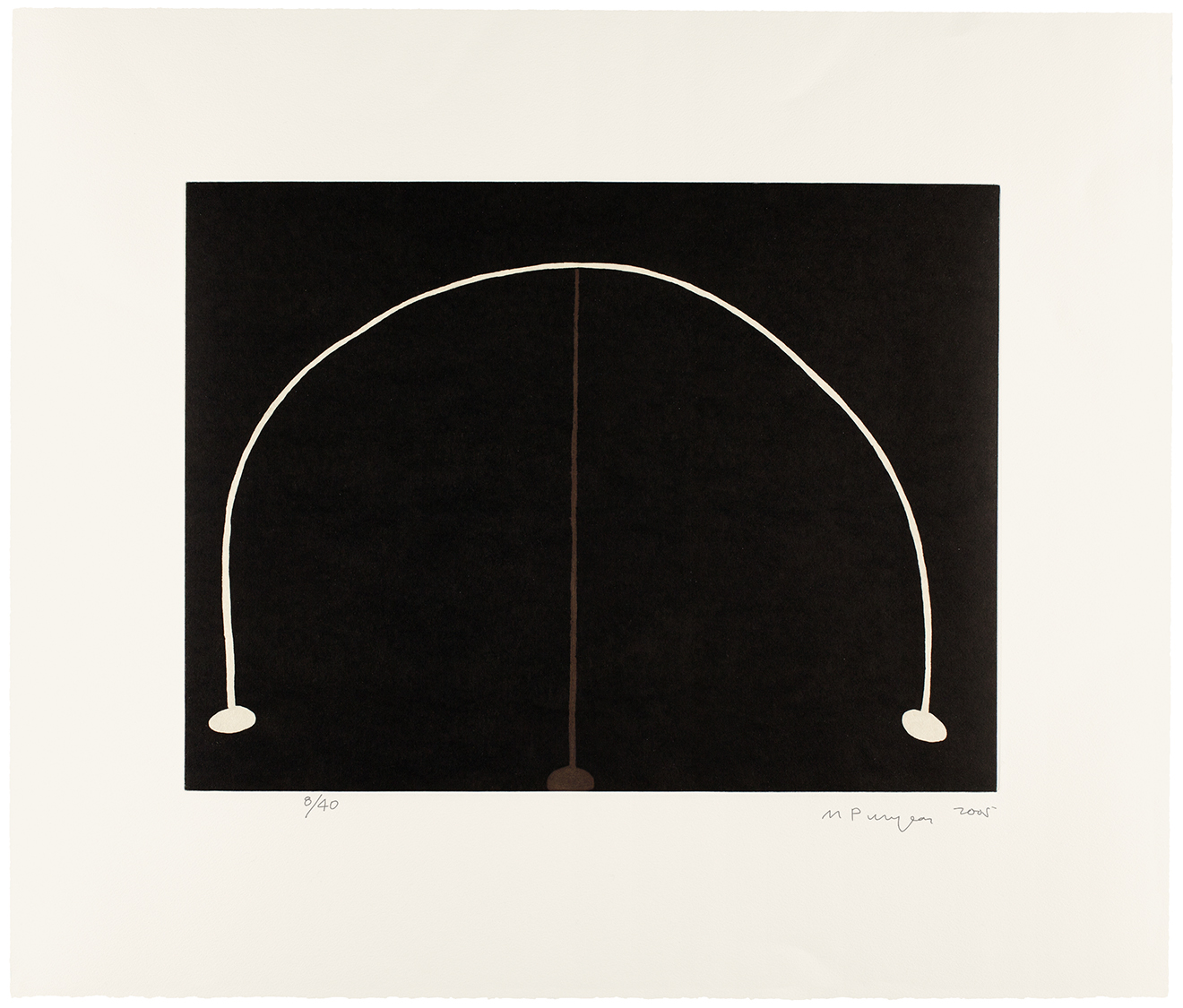
The Wesleyan viewing also included works of art on paper by Hale Aspacio Woodruff, Eldzier Cortor, Thornton Dial, Ellen Gallagher, Howardena Pindell, Martin Puryear, and Fred Wilson.
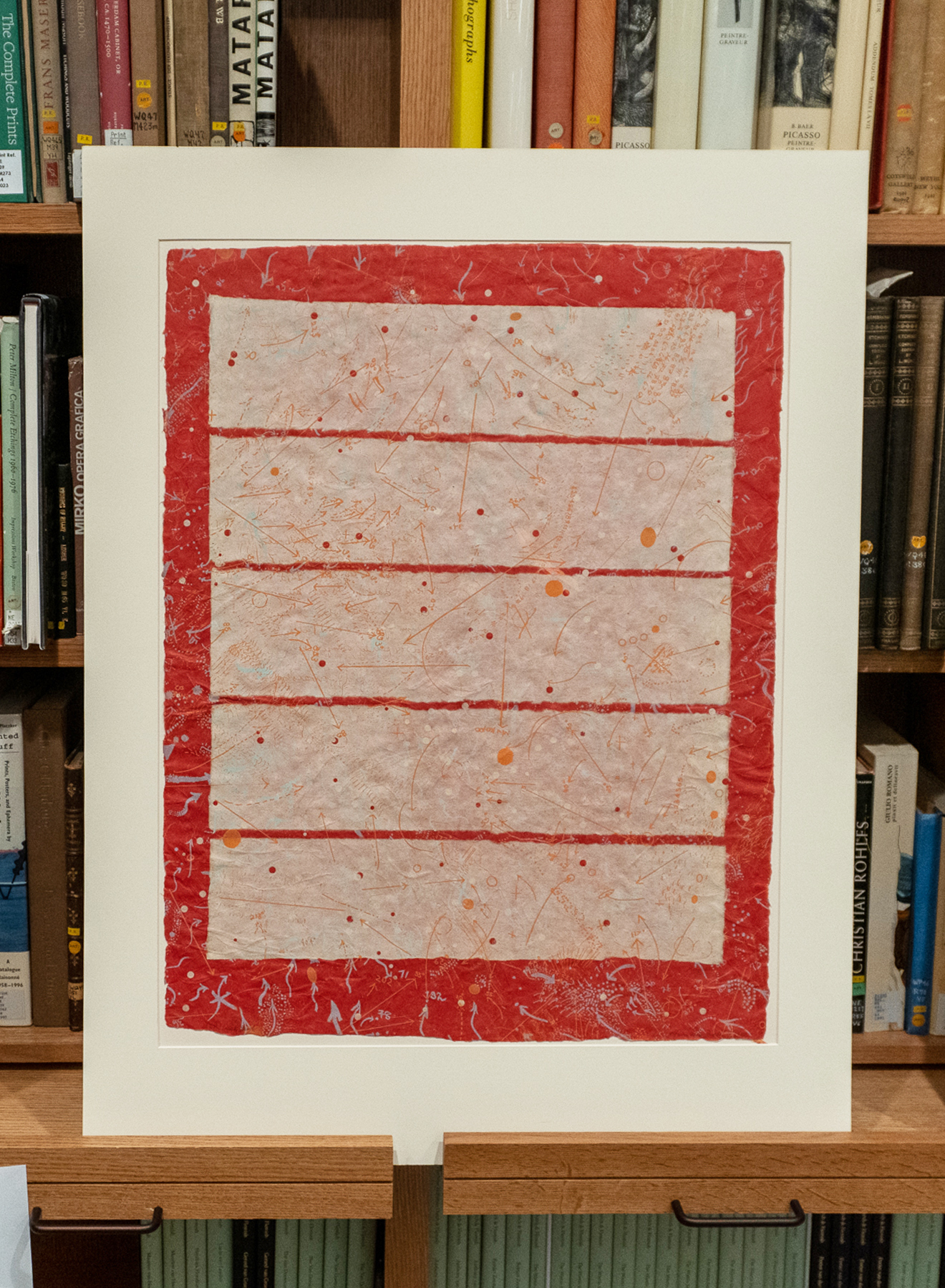
Over the course of February, the Wesleyan community comes together to deepen the collective understanding of the past, engage the present, and imagine more just futures through conversations, performances, artistic expressions, educational programs, and celebrations that center Black voices, lived experiences, and community knowledge.
The Davison Art Collection holds more than 25,000 works of art on paper. Many students take part in class visits organized by professors and Tokumitsu to view works in the study room.
The February viewing demonstrated how Wesleyan centers Black history as a foundational catalyst for collective learning, utilizing artistic expression to bridge the gap between historical archives and the lived experiences of students today.