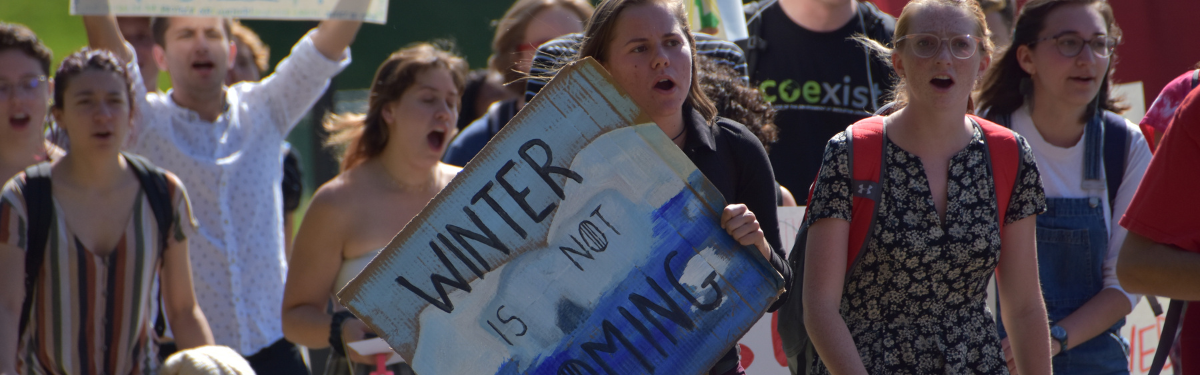
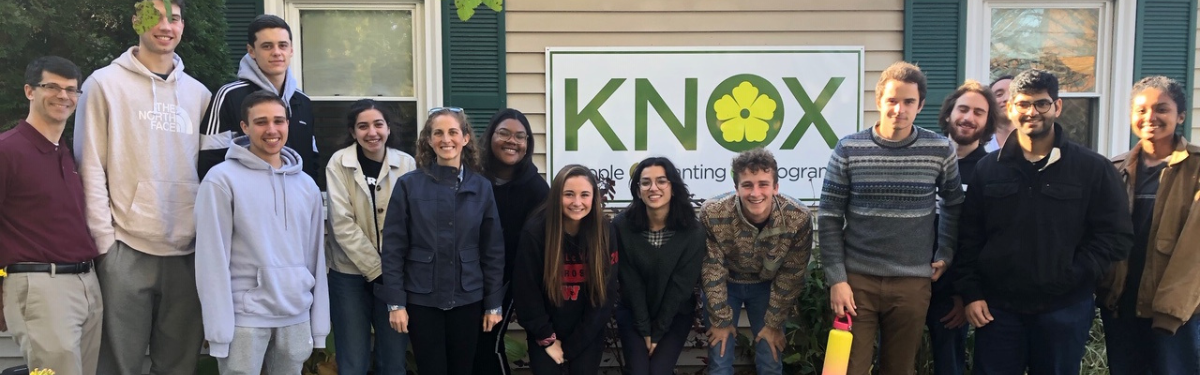

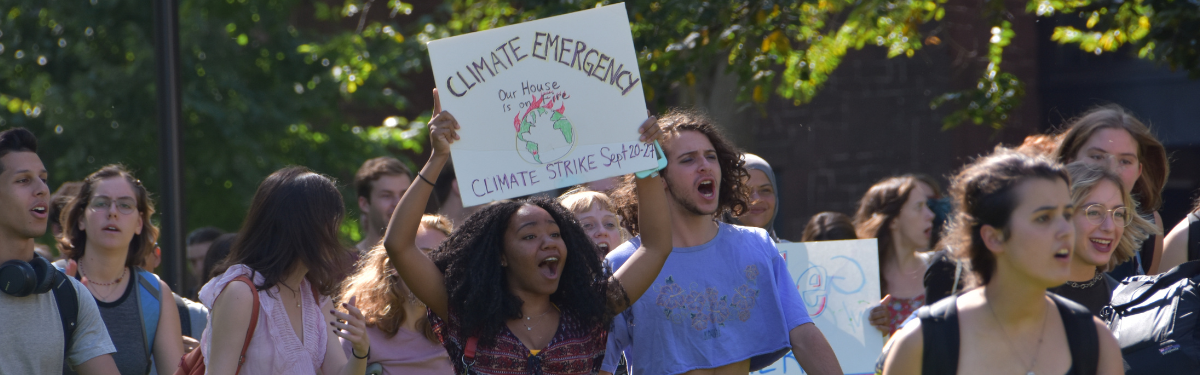


Wesleyan created the Bailey College of the Environment in 2009 with a belief in the resilience of the human spirit and a desire to develop a long-term vision of human and ecosystem health. We believe that the high productivity and interdisciplinary nature of Wesleyan's faculty; the intellectual, questioning, activist nature of its students; and the intimate relationship of the faculty-student teaching experience create opportunities for Wesleyan to make significant contributions to re-orienting our nation's and the world's trajectory.
Program Components:
-
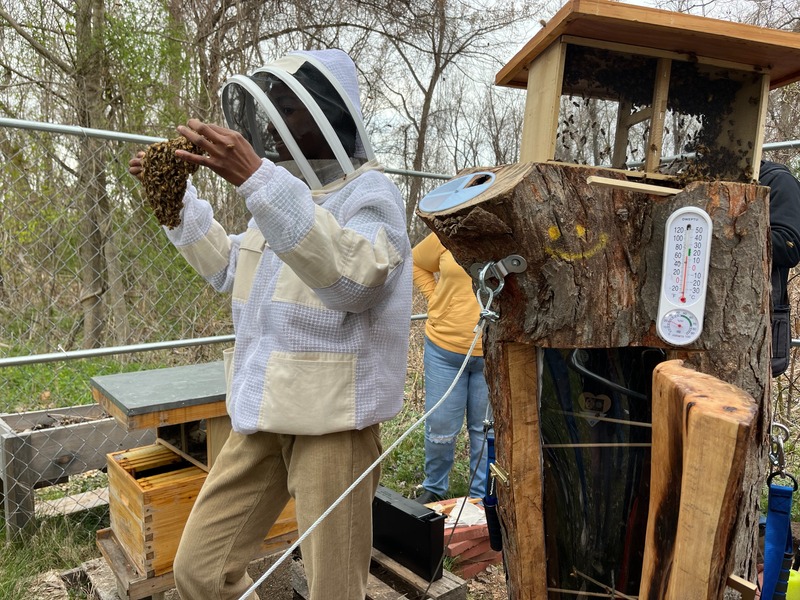
Community Engagement
The Schumann Institute at the Bailey COE partners with key community organizations who are engaged in environmental justice, food security, and sustainability.
-
Environmental Studies Linked Major
Established in 2009, the ENVS linked-major program empowers students to evaluate, comprehend, communicate, and solve various environment-related issues.
-
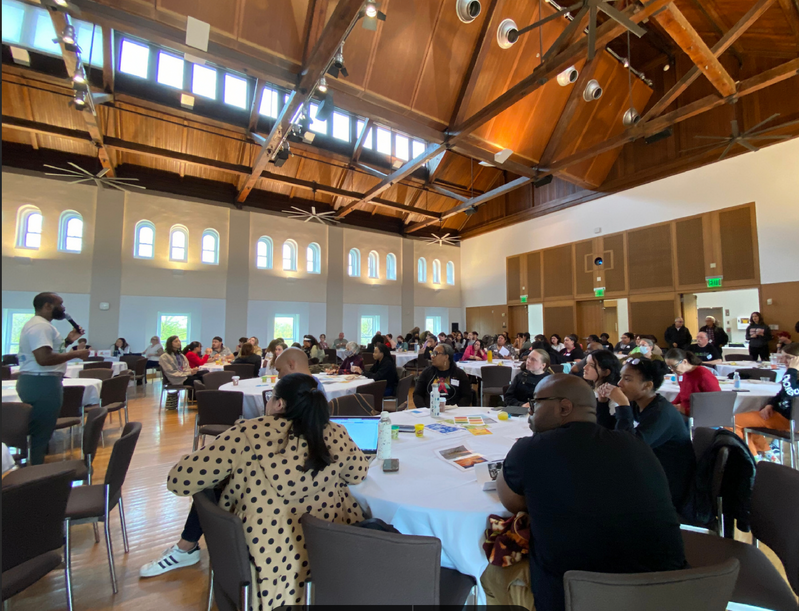
Events and Public Outreach
The COE hosts and collaborates on a number of events and symposia that bring together diverse audiences to learn about, debate, and discuss the most pressing environmental and social issues of our day.
-
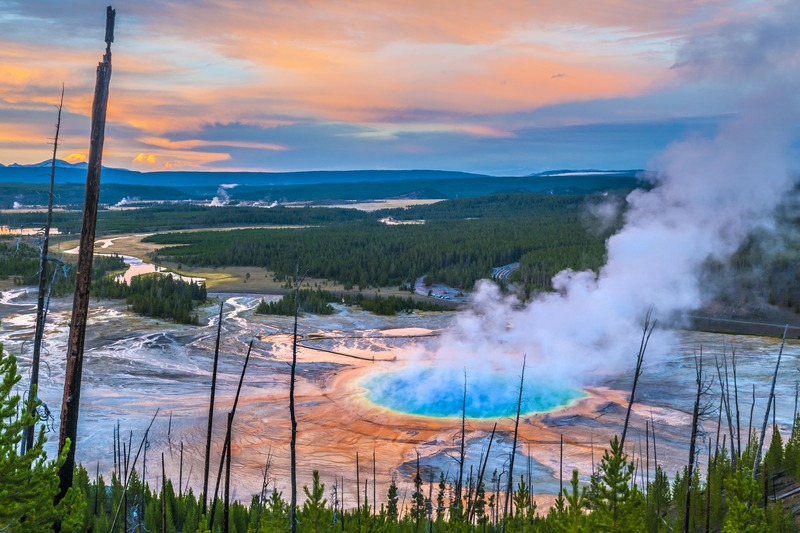
Student Research Opportunities
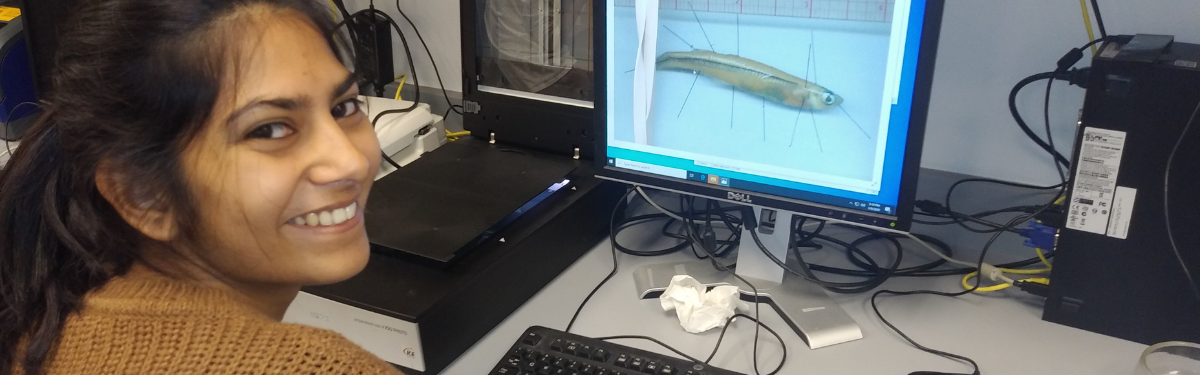
The Bailey COE Research Fellowship Program allows current Wesleyan undergraduate students of all majors to undertake research on environmental topics under the guidance of a Wesleyan faculty mentor.
-
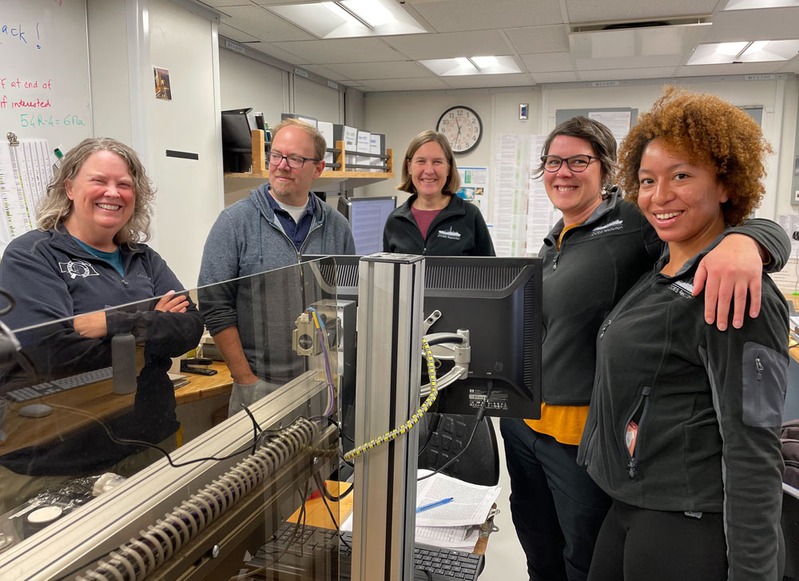
Think Tank
The Think Tank is a year-long gathering of three Wesleyan faculty, an outside visiting scholar, and undergraduate students focused on studying a critical environmental issues.
-
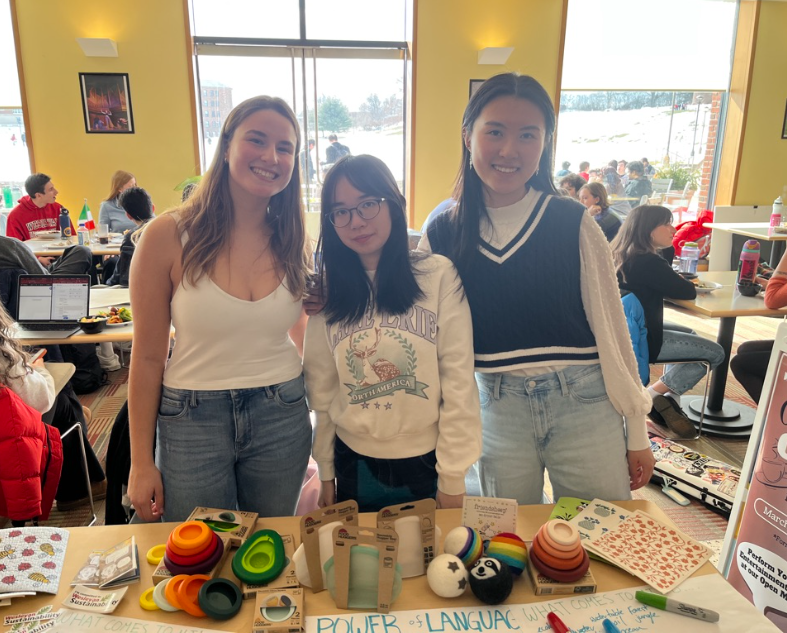
Sustainability Office
The Sustainability Office engages in activities on and off campus to promove inclusive and equitable environmental sustainability.
Mission
The Bailey College of the Environment:
- Graduates students:
- who can interpret scientific, environmental information
- who are able to engage both scholars and the lay public in discourse about environmental issues (mode of expression varied)
- who understand connections between environmental issues and social or political issues
- who can formulate well-considered opinions and develop compelling arguments about environmental issues
- who have been engaged with scholars in the field who are making important environmental contributions
- who have both practical and theoretical experience in environmental issues by undertaking a senior project (includes theses, essays, performances, etc. - depending upon student area of specialization - not required for minor candidates)
- Gathers annually a group of Wesleyan faculty, scholars of prominence, and undergraduate students into a year-long academic think tank on a critical environmental issue. The aim of the think tank is not only to generate a deeper understanding of the thematic issue, but also to produce scholarly works that will influence national/international thinking and action on the issue. The think tank should serve as a focal point for the global intellectual community concerned with the environment.
- Community & Outreach
- Continually engage the entire Wesleyan and greater Middletown community in education and discussion about environmental issues through a variety of public events (e.g., festivals, invited speakers, workshops, etc.)
- Facilitate fellowships (non-credit-earning) to provide students with research opportunities and "real world" experience (e.g., with NGO's, governmental organizations, businesses, etc.)
More about the Bailey COE
Envisioning Environmental Change: Essel '66 & Menakka Bailey
The Robert F. Schumann ['44] Institute of the Bailey College of the Environment
The Essel and Menakka Bailey Think Tank and Endowed Experience Fund
Bailey COE Director and Robert F. Schumann Professor of Environmental Studies Barry Chernoff